
Psyllium husk flour
Psyllium husk flour is a type of flour made from grinding the outer husks of psyllium seeds. Psyllium is a plant native to regions of Asia and the Mediterranean, and its husk is particularly rich in soluble fiber. Psyllium husk flour is commonly used as a dietary supplement or added to various food products for its potential health benefits.
Psyllium husk flour compared with other flours (per 100 g)
Select a column heading to sort.
| Almond | 571 kcal | 50 g | 3.6 g | 21 g | 7.1 g | 14 g | 21 g | 3.57 mg |
|---|---|---|---|---|---|---|---|---|
| White wheat | 364 kcal | 1 g | 0.2 g | 76 g | 0.3 g | 2.7 g | 10 g | 1.17 mg |
| Whole grain wheat | 340 kcal | 2.5 g | 0.4 g | 72 g | 0.4 g | 11 g | 13 g | 3.6 mg |
| Semolina | 357 kcal | 1.2 g | 0.7 g | 74 g | 2.4 g | 4.8 g | 12 g | 3.43 mg |
| Buckwheat | 335 kcal | 3.1 g | 0.7 g | 71 g | 2.6 g | 10 g | 13 g | 4.06 mg |
| Brown rice | 363 kcal | 2.8 g | 0.6 g | 76 g | 0.7 g | 4.6 g | 7.2 g | 1.98 mg |
| White rice | 359 kcal | 1.3 g | 0.1 g | 80 g | 0.1 g | 0.5 g | 6.9 g | 0.22 mg |
| Coconut | 400 kcal | 13 g | 13 g | 60 g | 20 g | 33 g | 20 g | 6.67 mg |
| Tapioca | 349 kcal | 0.2 g | 0.1 g | 85 g | 3.5 g | 1.2 g | 0.6 g | 1 mg |
| Soya (defatted) | 330 kcal | 1.2 g | 0.8 g | 38.4 g | 18.9 g | 17.5 g | 47 g | 9.2 mg |
| Corn | 361 kcal | 3.9 g | 0.5 g | 76.8 g | 0.6 g | 7.3 g | 6.9 g | 2.4 mg |
| Quinoa | 368 kcal | 7.5 g | 1.6 g | 69 g | 3.6 g | 7 g | 10 g | 4.8 mg |
| Millet | 375 kcal | 3.5 g | 0.7 g | 74 g | 1 g | 7 g | 11 g | 2.5 mg |
| Flaxseed | 534 kcal | 42 g | 4 g | 29 g | 2 g | 28 g | 18 g | 5 mg |
| Red lentils | 116 kcal | 0.4 g | 0.1 g | 20 g | 1.8 g | 7.9 g | 9 g | 3.3 mg |
| Psyllium husk | 354 kcal | 0.6 g | 0.1 g | 88 g | 0.5 g | 80 g | 1.5 g | 16 mg |
| Oats | 389 kcal | 0.6 g | 1.2 g | 66.3 g | 0.9 g | 10.6 g | 16.9 g | 4.7 mg |
| Chia Seeds | 486 kcal | 30.7 g | 3.3 g | 42.1 g | 0.01 g | 34.4 g | 16.5 g | 7.7 mg |
| Chickpea | 387 kcal | 7 g | 0.6 g | 57 g | 0.5 g | 11 g | 22 g | 5 mg |
Here are some key characteristics and features of psyllium husk flour:
- Rich in Soluble Fiber: Psyllium husk flour is known for its high content of soluble fiber, particularly a type of fiber called mucilage. Soluble fiber is beneficial for digestive health and can help with issues such as constipation.
- Gluten-Free: Psyllium husk flour is naturally gluten-free, making it suitable for individuals with gluten sensitivities or those following a gluten-free diet.
- Absorbs Water: One of the unique properties of psyllium husk is its ability to absorb water and form a gel-like substance. This property is often utilized in recipes to add moisture and improve the texture of baked goods.
- Neutral Taste: Psyllium husk flour generally has a neutral taste, allowing it to be easily incorporated into various recipes without significantly altering the flavor.
- Used as a Binding Agent: Due to its water-absorbing properties, psyllium husk flour is often used as a binding agent in gluten-free baking. It helps provide structure and elasticity to doughs and batters.
- Potential Health Benefits: Psyllium husk is associated with various health benefits, including promoting regular bowel movements, supporting heart health by helping to lower cholesterol levels, and aiding in weight management by promoting a feeling of fullness.
- Low in Calories: Psyllium husk flour is relatively low in calories, making it a suitable addition to a variety of recipes for those looking to manage their calorie intake.
- Iron Content: Psyllium husk contains a moderate amount of iron. While it's not a significant source of iron, it can contribute to overall iron intake in the diet.
- Used in Gluten-Free Recipes: Psyllium husk flour is often used in gluten-free and low-carb recipes to enhance the texture and structure of baked goods. It can be part of flour blends in gluten-free baking.
- Storage: Like other flours, psyllium husk flour should be stored in a cool, dry place to prevent spoilage. Sealing it in an airtight container can help maintain freshness.
It's important to note that when using psyllium husk flour, it's crucial to drink an adequate amount of water to prevent any potential digestive issues. As with any dietary supplement or ingredient, it's advisable to consult with a healthcare professional or nutritionist to ensure it fits well with individual dietary needs and health conditions.
Recipes with Psyllium husk flour
-
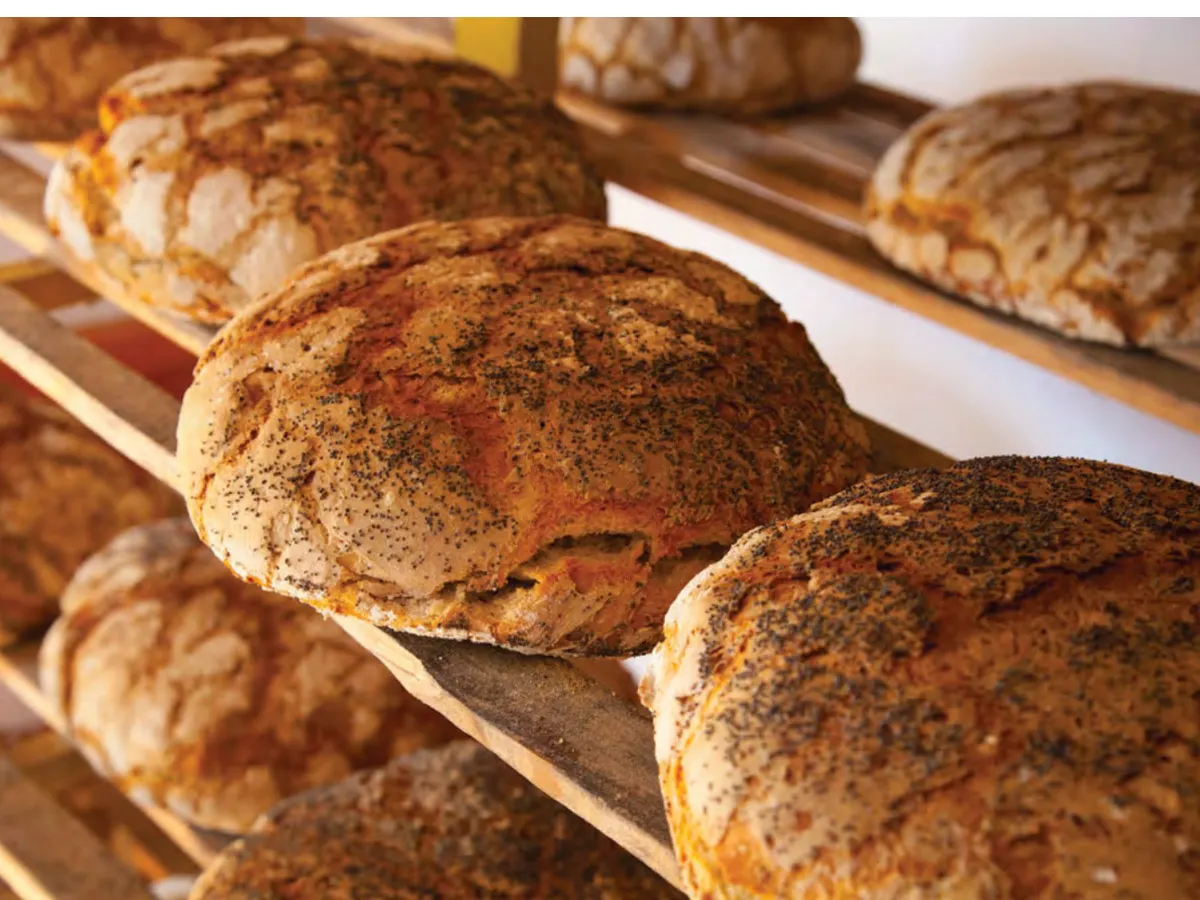
Poppy Seed and Linseed Psyllium Loaf
- Sugar-free
- Nut-free
-
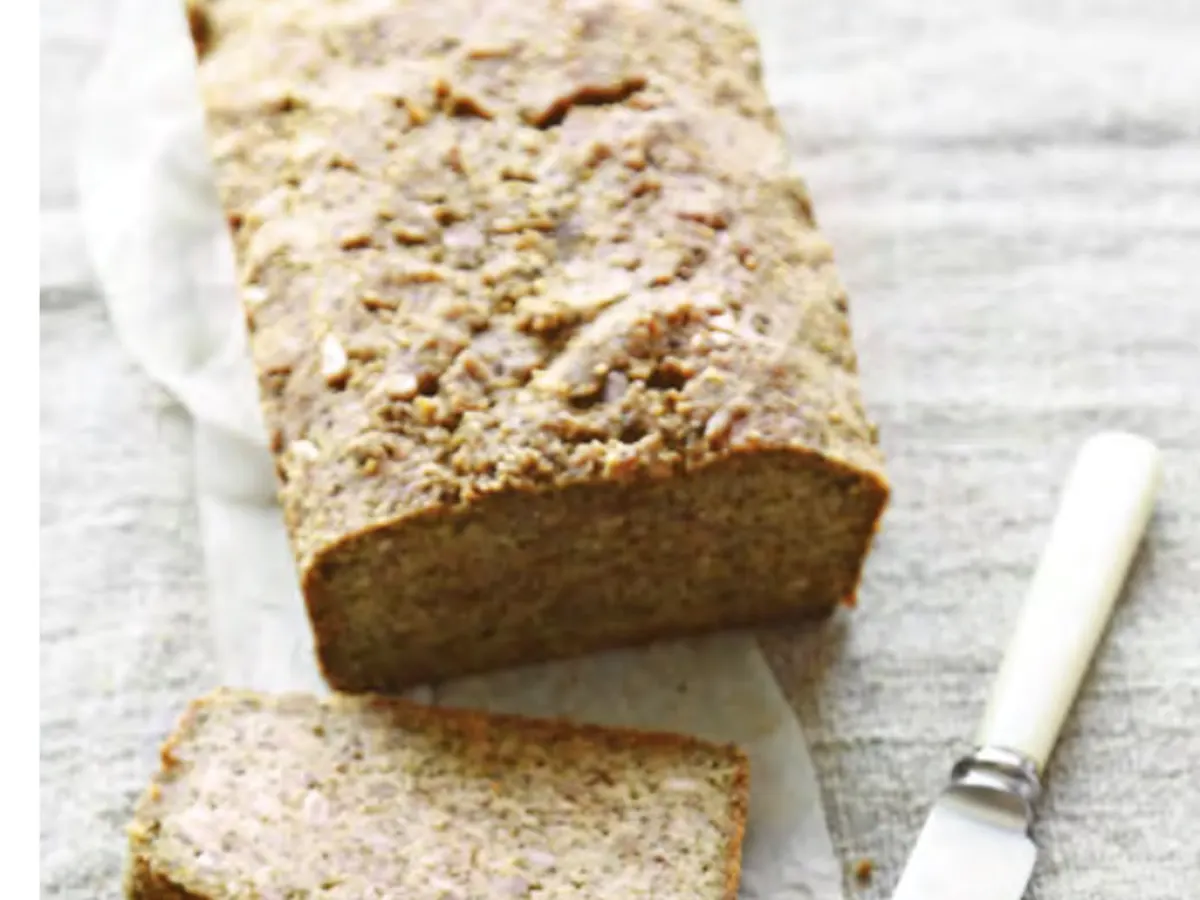
Superfood Almond, Pumpkin Seed and Herb Bread
- Dairy-free
- Egg-free
- Sugar-free
-
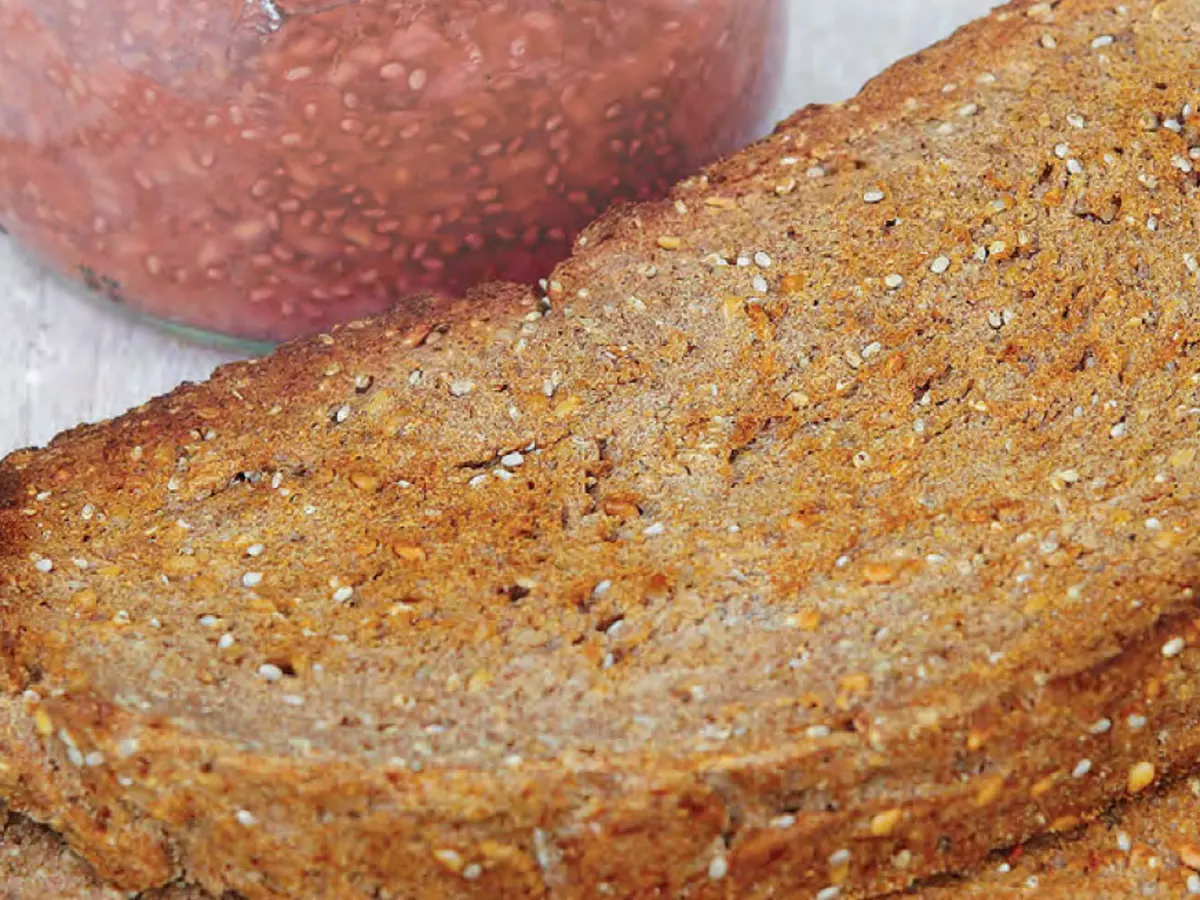
Chia, Teff and Buckwheat Seeded Loaf
- Dairy-free
- Egg-free
- Sugar-free
-
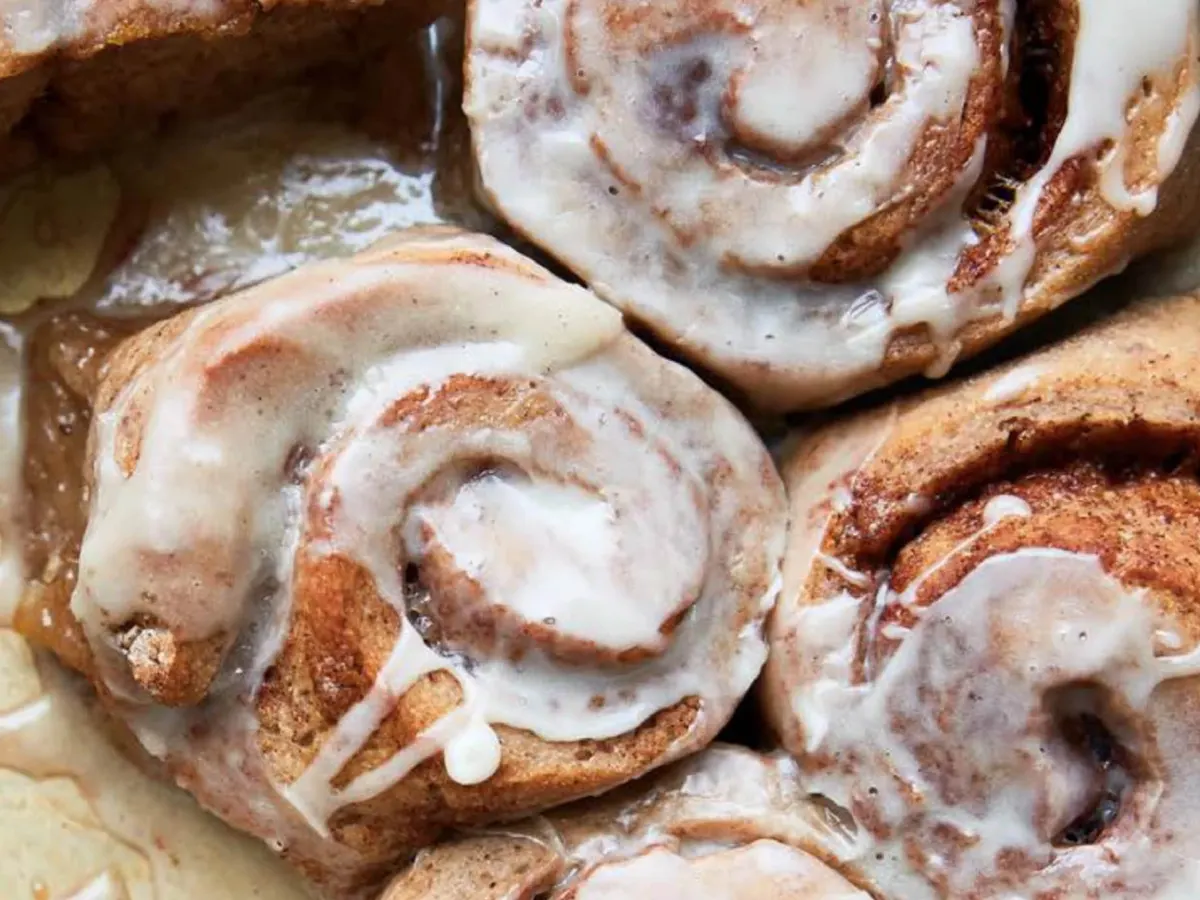
Vegan Psyllium Cinnamon Buns with Vanilla Glaze
- Dairy-free
- Egg-free
- Sugar-free
-
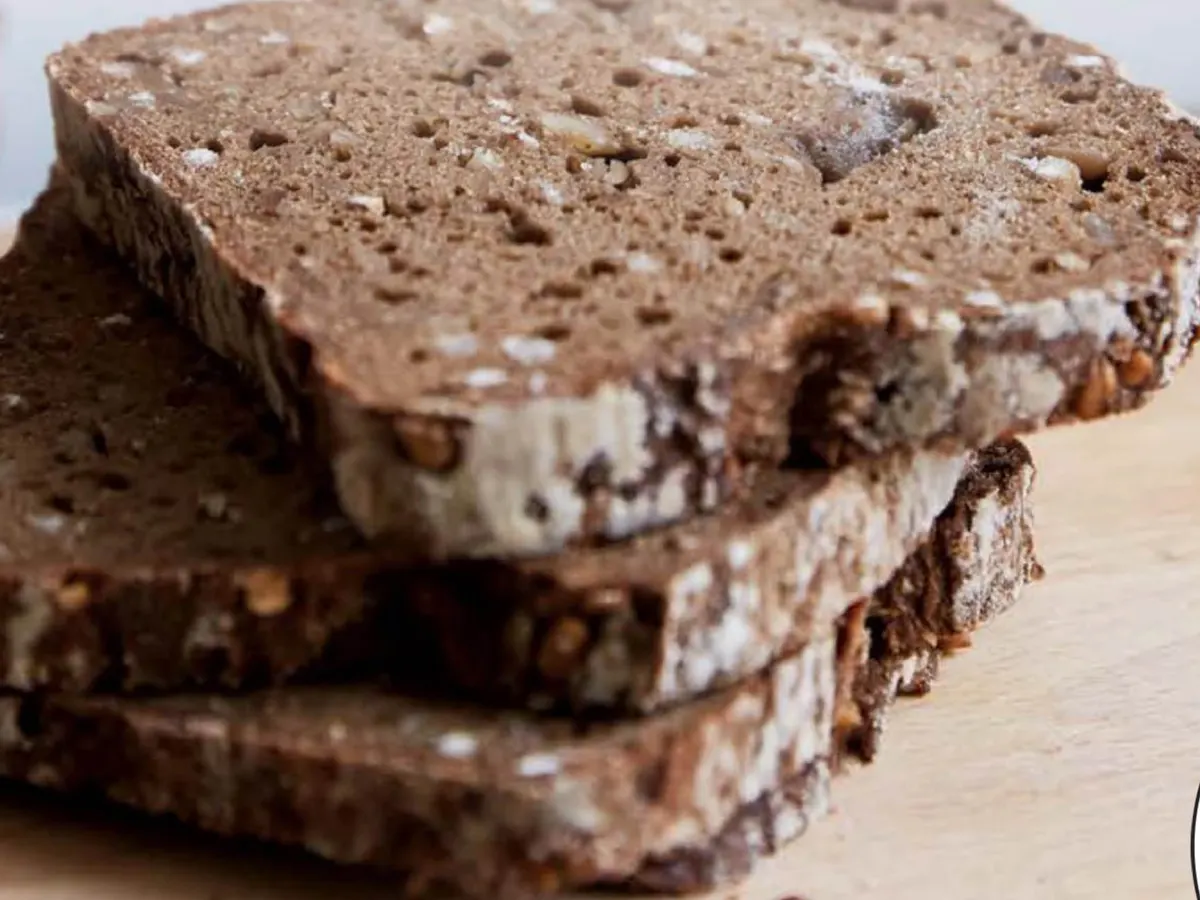
Nordic-Style Sourdough Seed and Buckwheat Loaf
- Dairy-free
- Egg-free
- Sugar-free
-
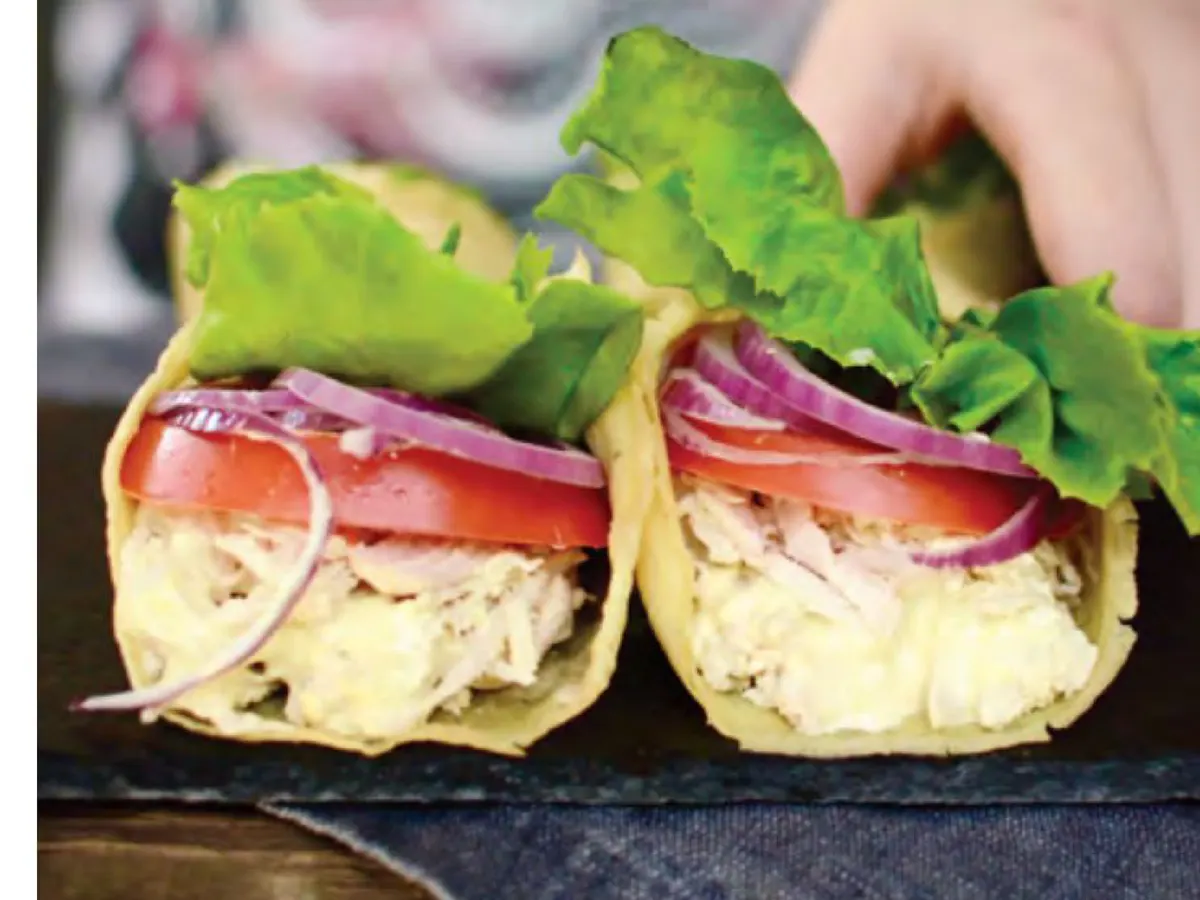
Grain-Free Tapioca and Psyllium Wraps
- Sugar-free
- Nut-free
-
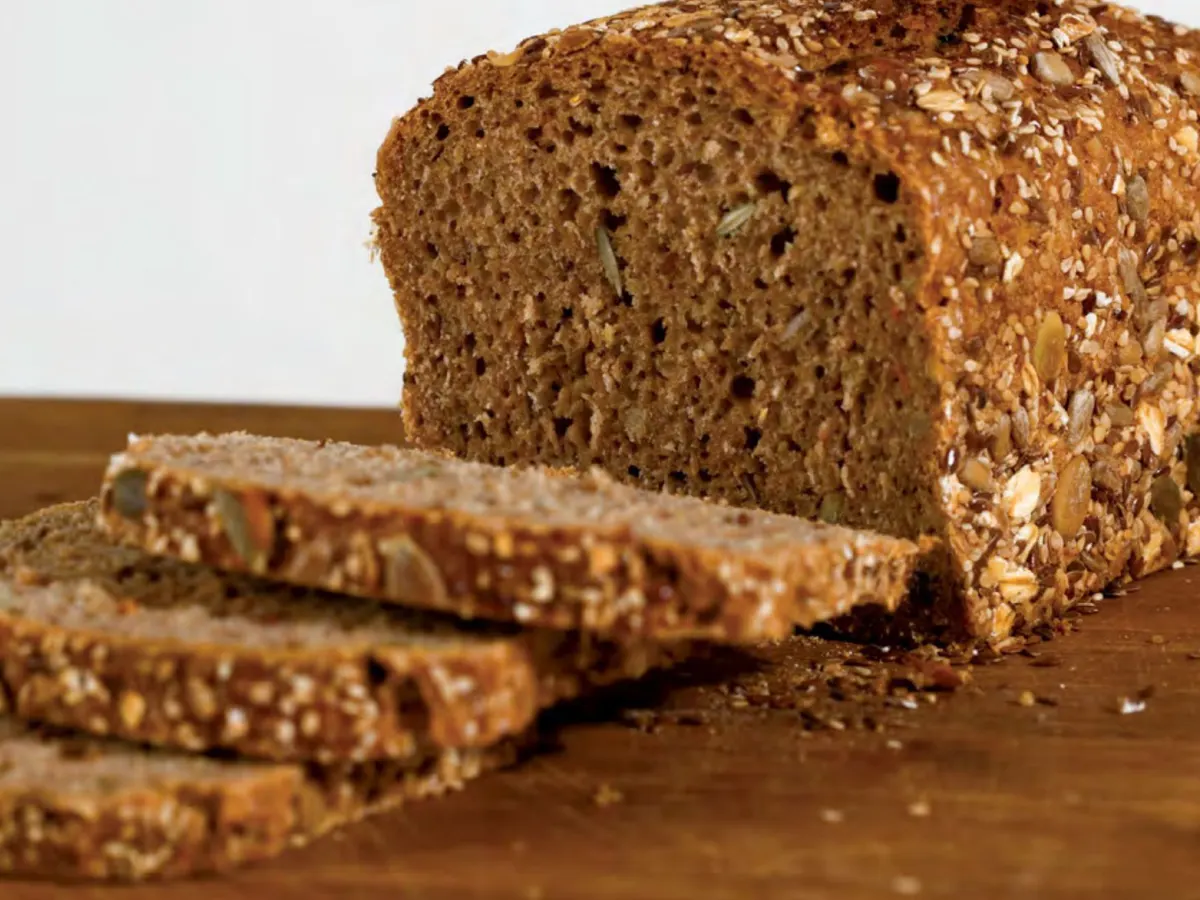
Seeded Multi-Grain Gluten-Free Loaf
- Sugar-free
- Nut-free
-
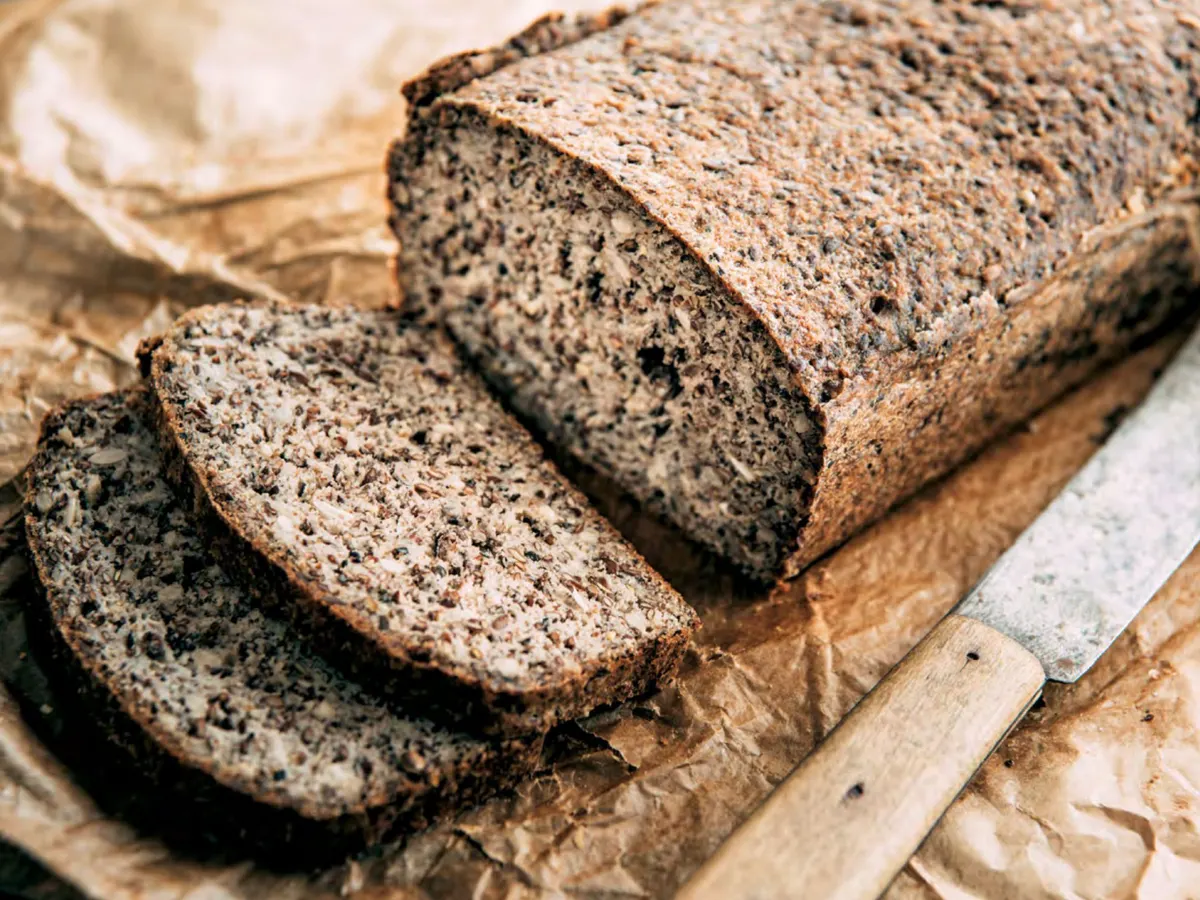
Seeded Millet and Oat Wholemeal-Style Loaf
- Sugar-free
- Dairy-free
- Nut-free
-
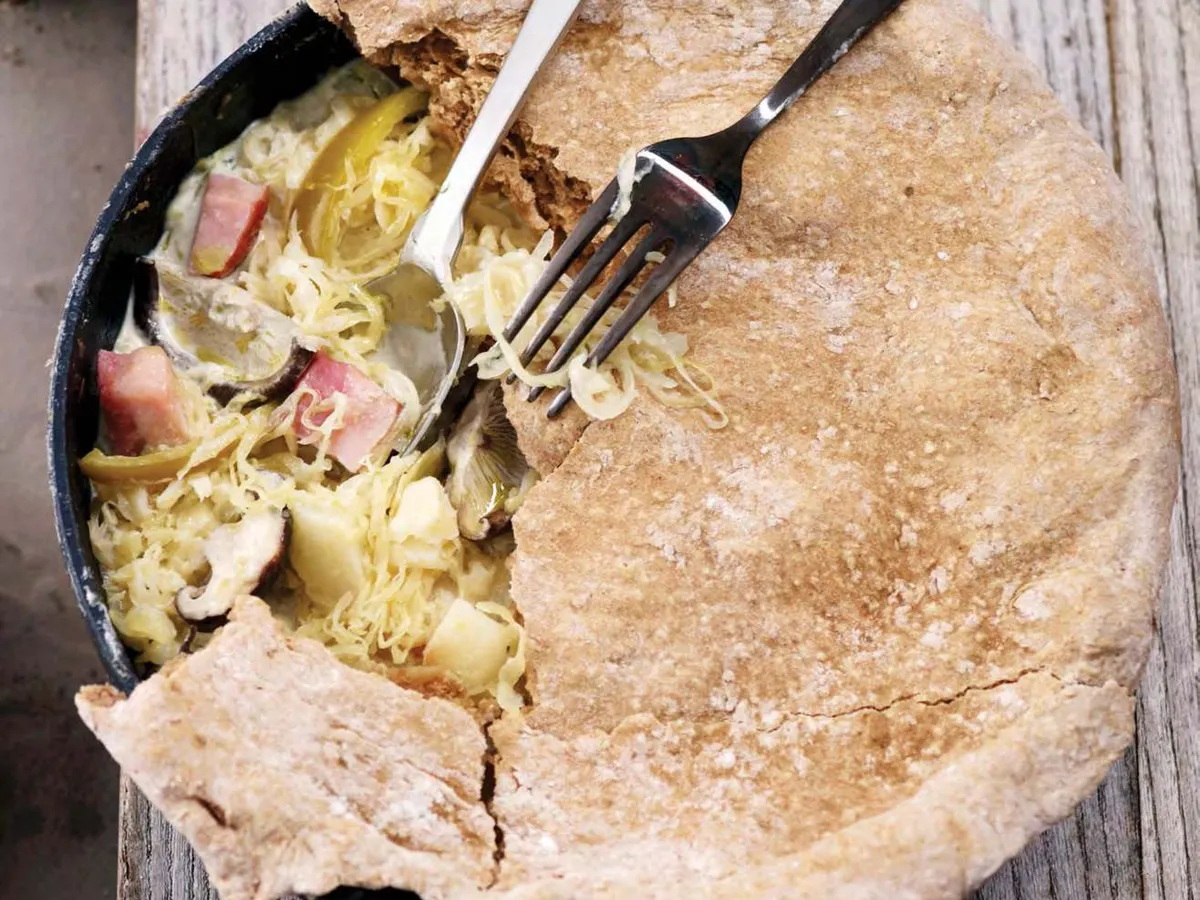
Smoked Pork and Cabbage Casserole with Bread Crust
- Nut-free
-
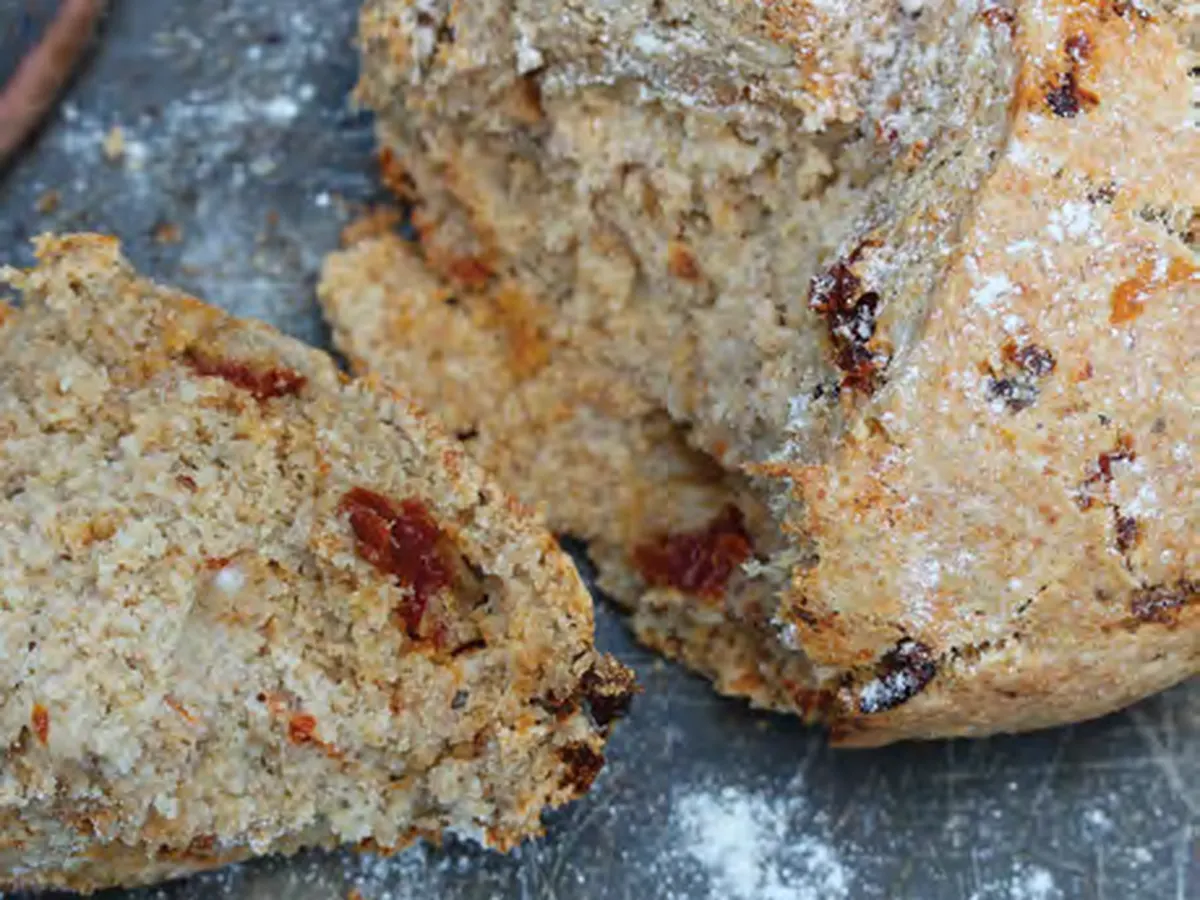
Cheesy Sun-Dried Tomato Soda Bread
- Egg-free
- Sugar-free
- Yeast-free
-
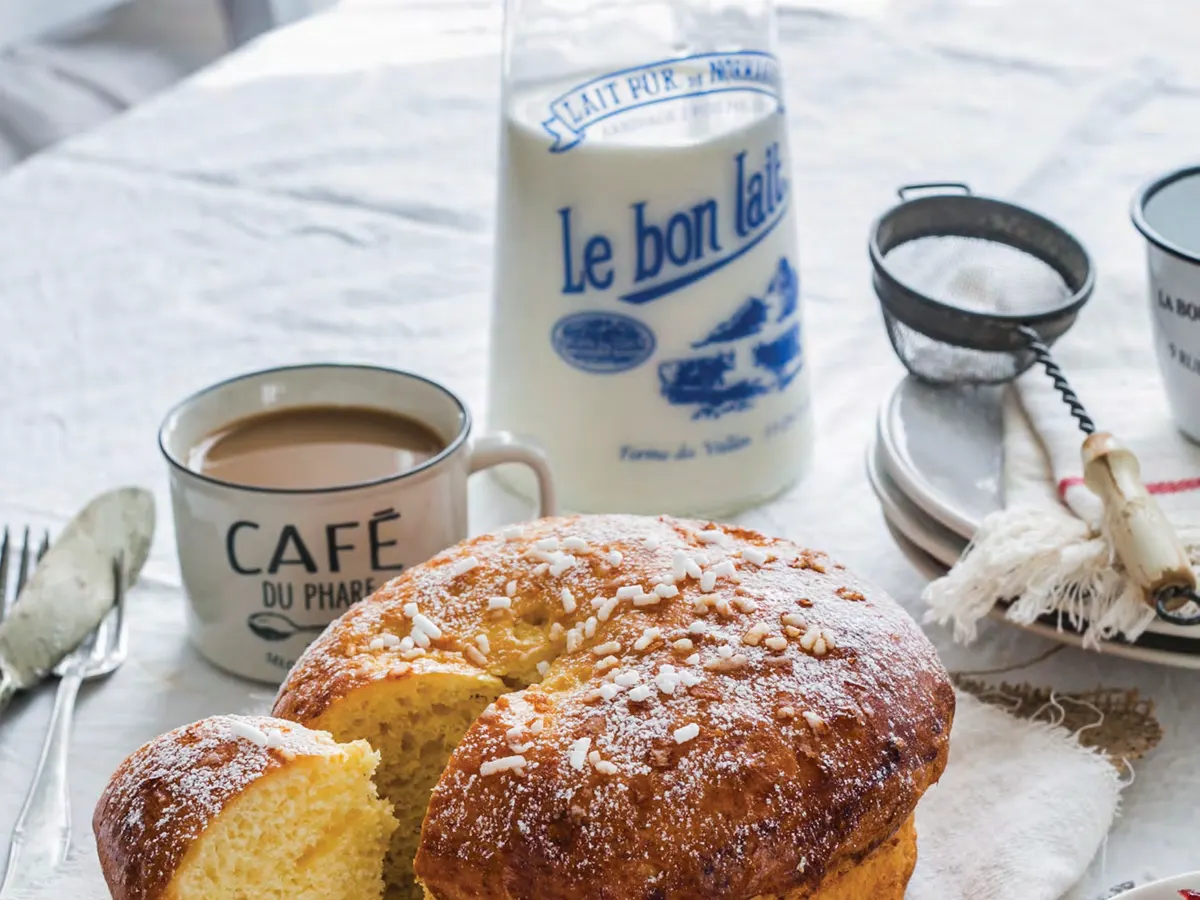
Gluten-Free French Brioche Loaf
- Sugar-free
- Yeast-free
- Nut-free
-

Passion Fruit and Parsnip Mini Cakes
- Dairy-free
- Sugar-free
- Yeast-free
-
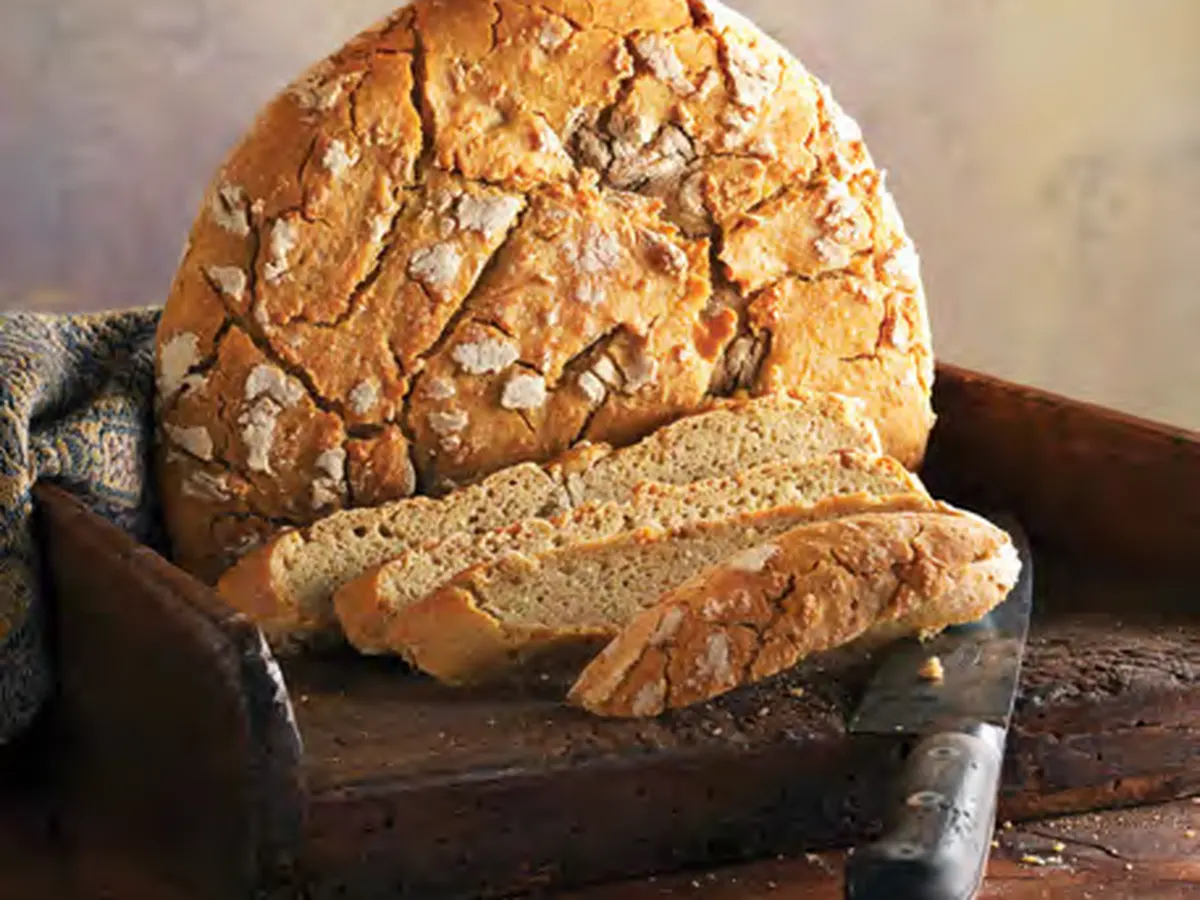
Gluten-Free Farmhouse White Loaf
- Egg-free
- Sugar-free
- Yeast-free
-
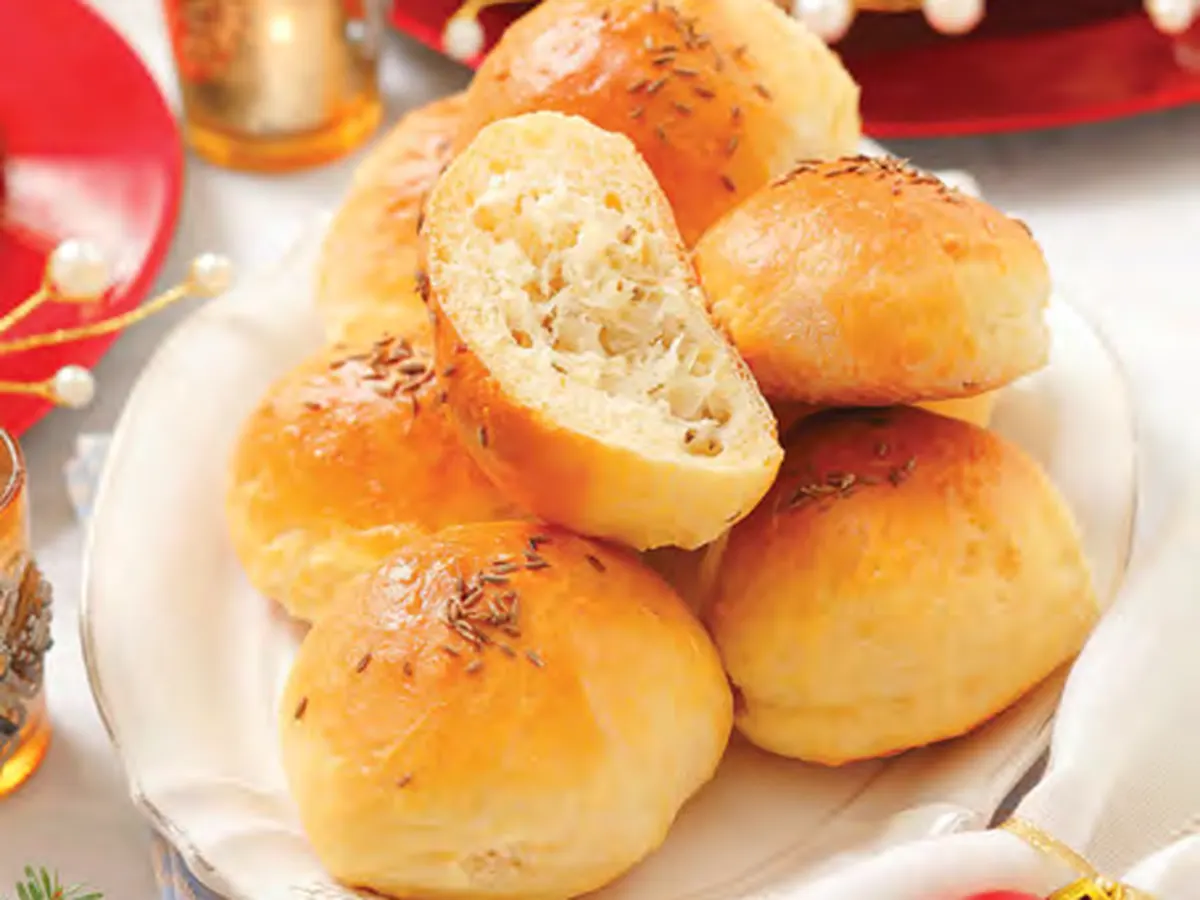
Sauerkraut-Filled Bread Rolls with Caraway
- Sugar-free
- Yeast-free
- Nut-free
-
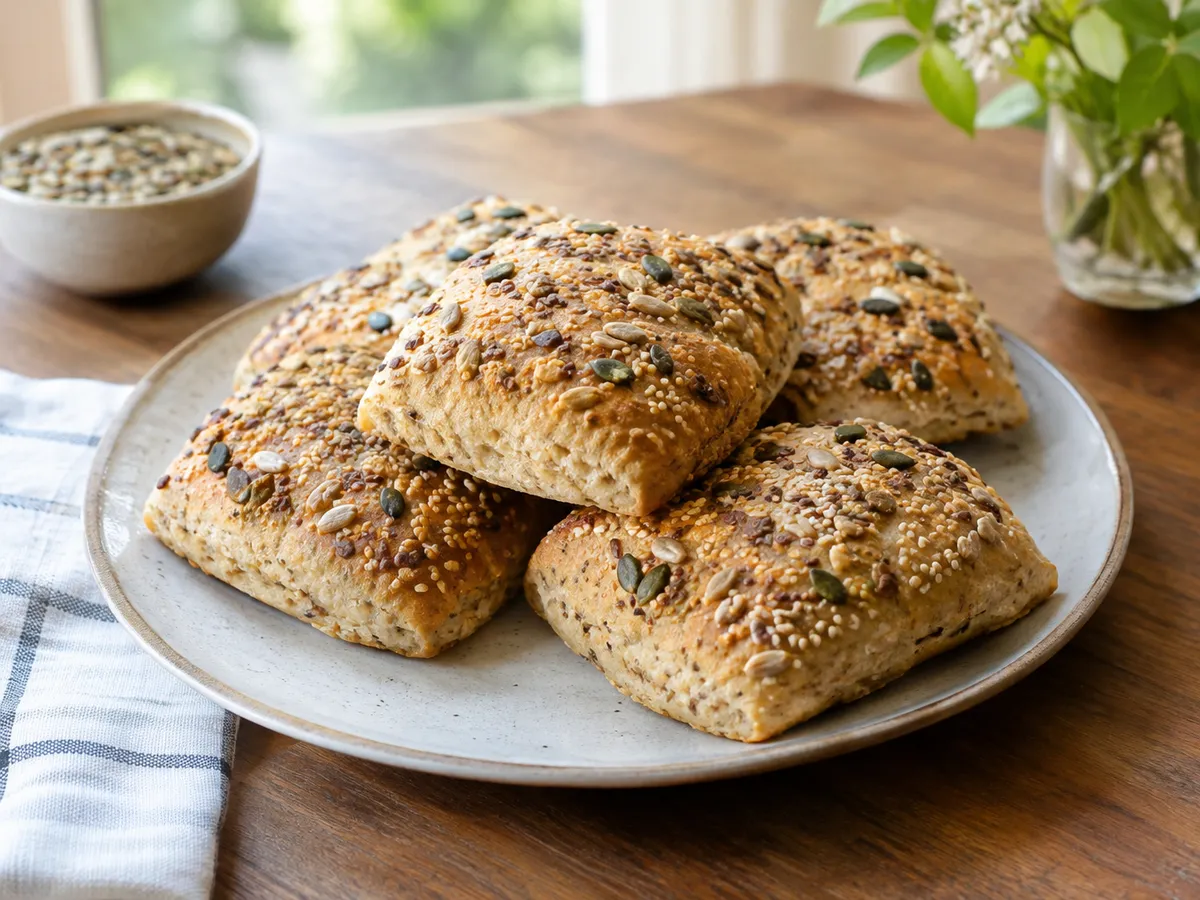
Seeded Gluten-Free Sandwich Thins
- Dairy-free
- Egg-free
- Sugar-free
-
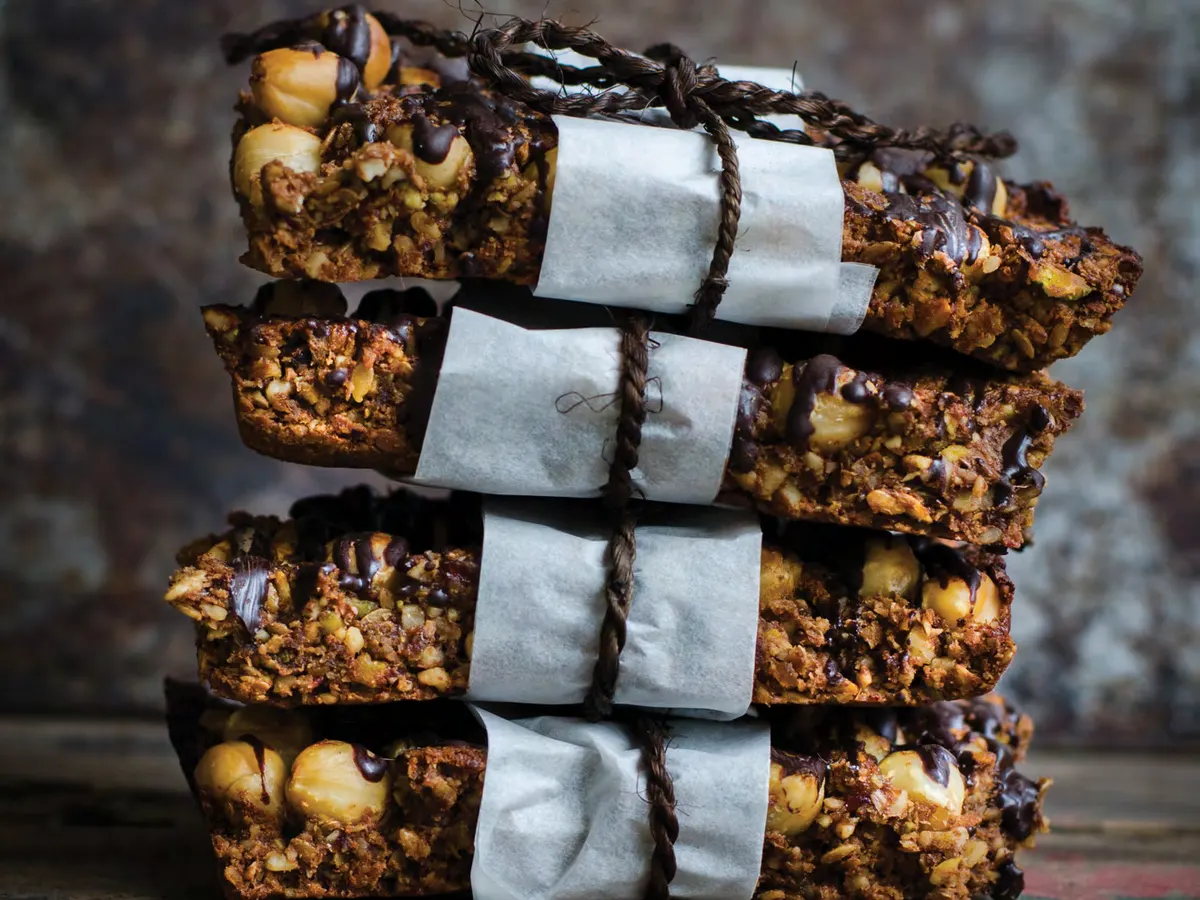
Chocolate Hazelnut Crunchy Breakfast Bars
- Dairy-free
- Egg-free
- Sugar-free
-
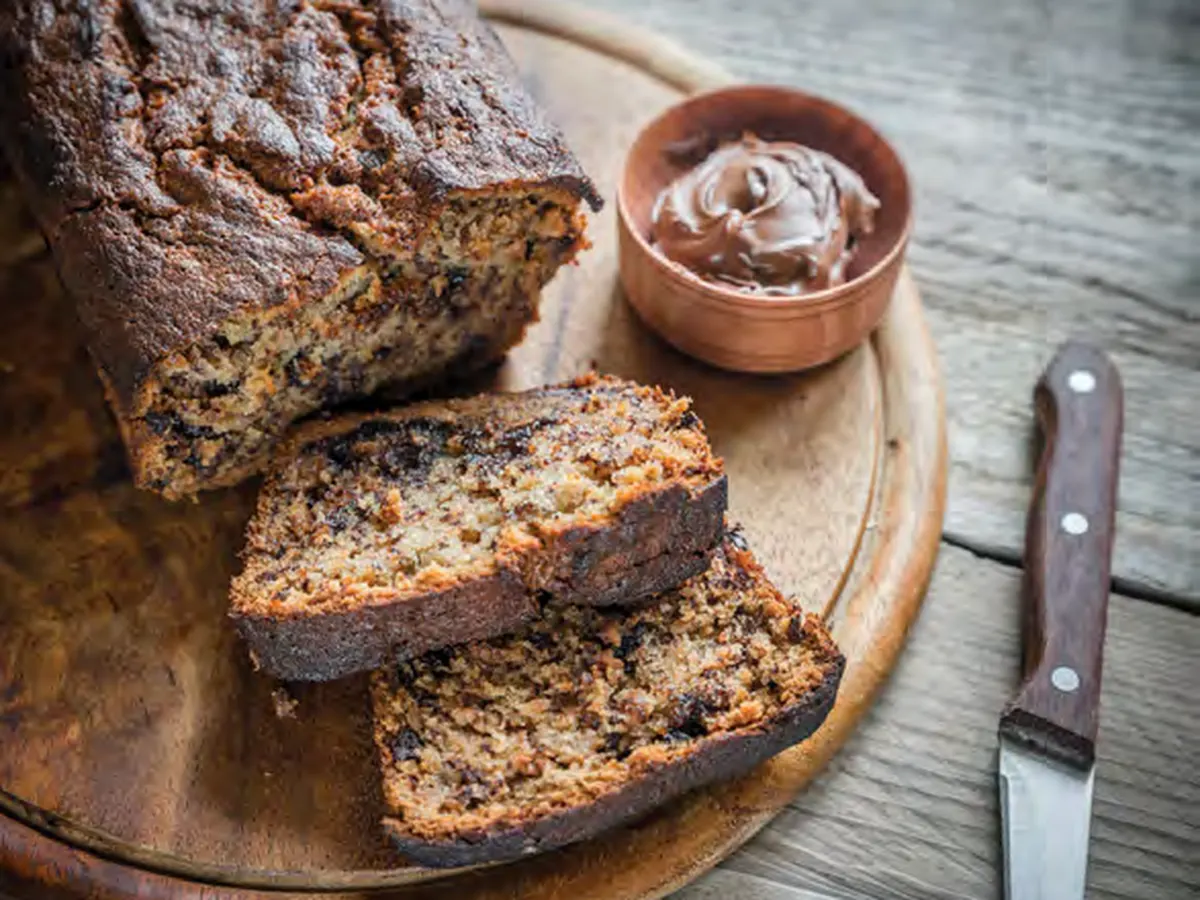
Vegan Teff Chocolate Banana Bread
- Dairy-free
- Egg-free
- Sugar-free
-
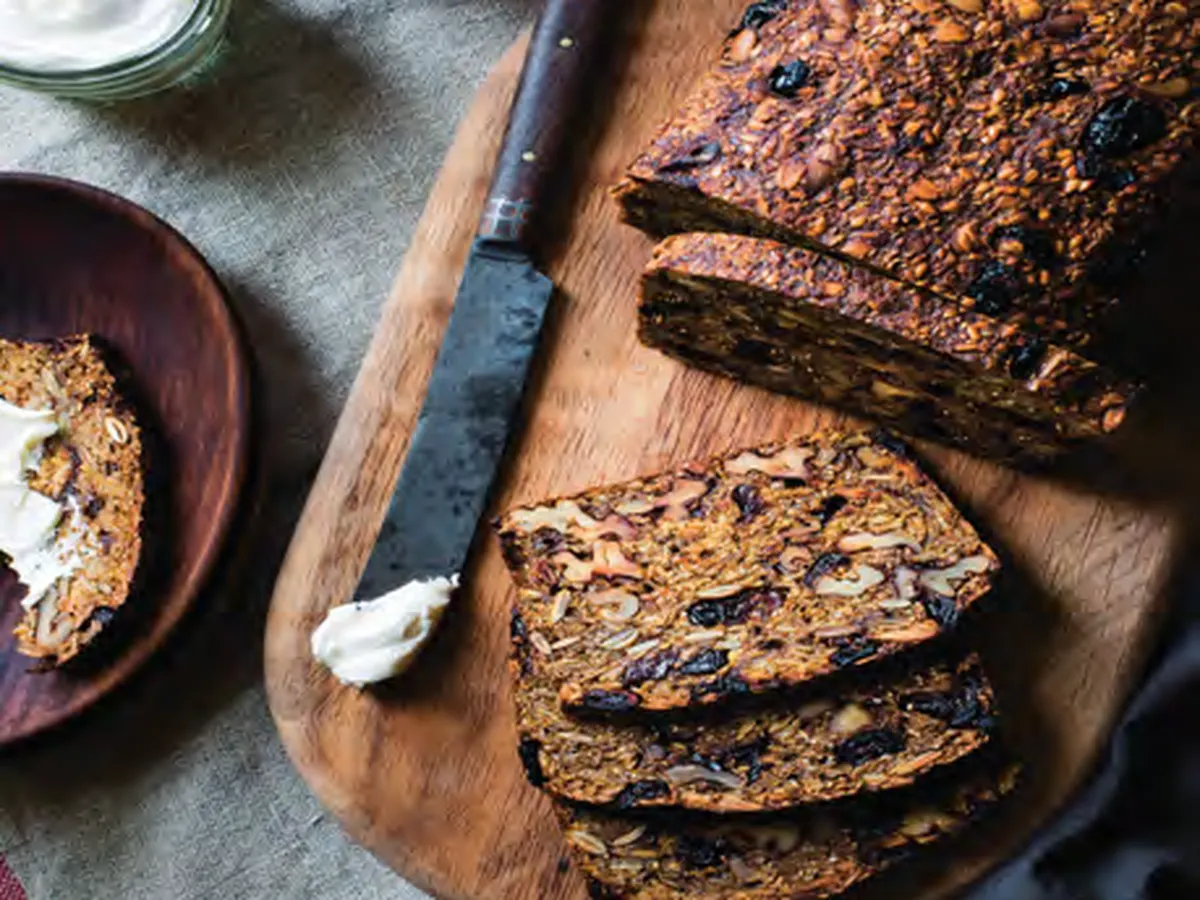
Pumpkin, Cranberry, Walnut and Seed Loaf
- Dairy-free
- Egg-free
- Sugar-free
-
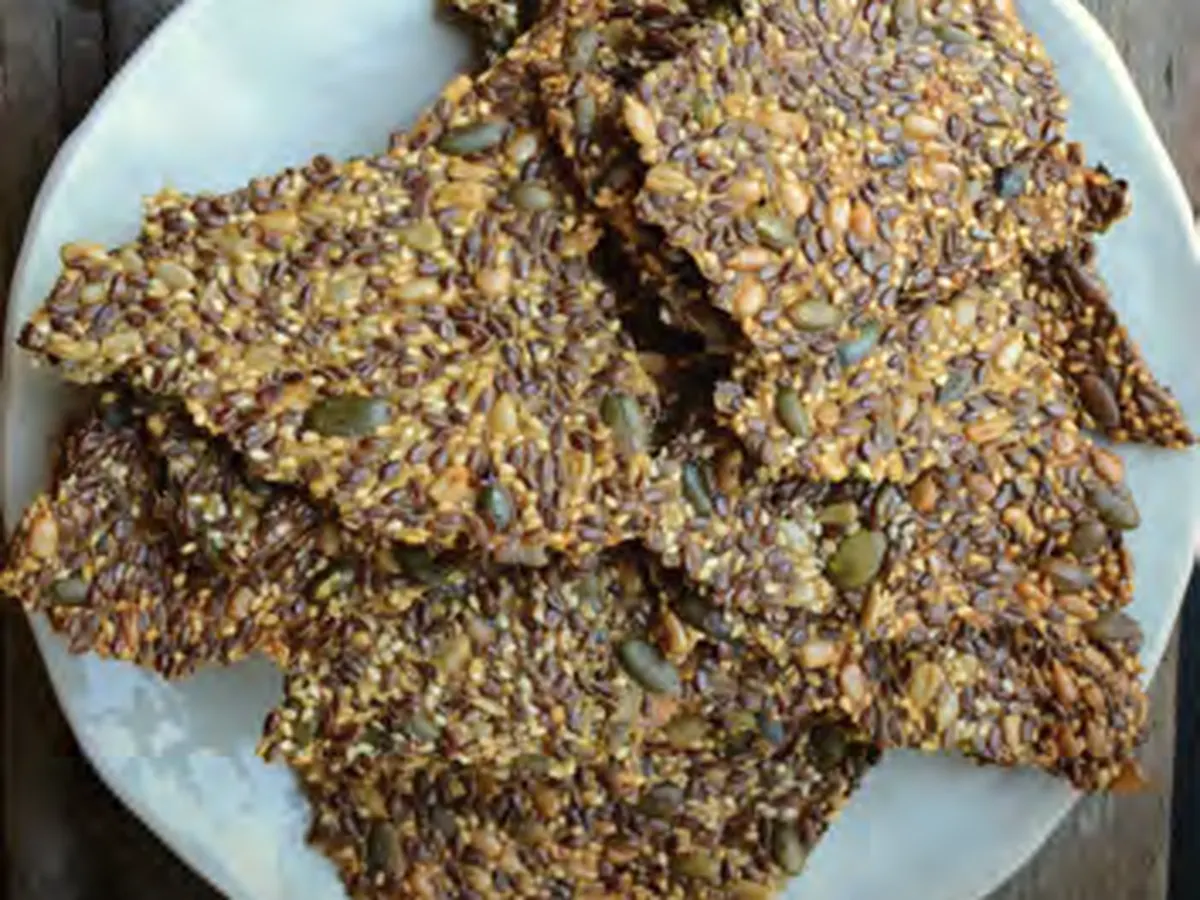
Sweet Potato and Harissa Seed Crackers
- Dairy-free
- Egg-free
- Sugar-free
-
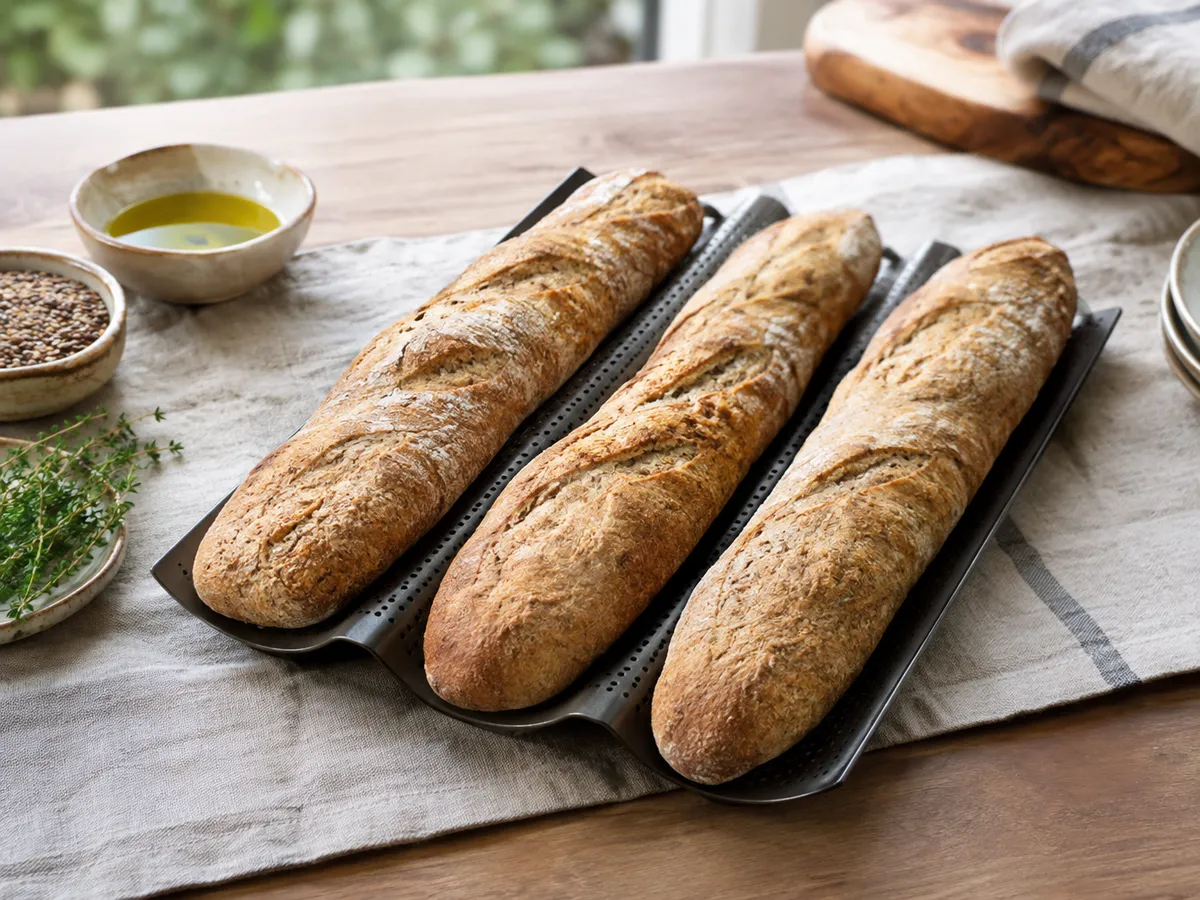
Vegan Gluten-Free Baguettes with Flax and Psyllium
- Dairy-free
- Egg-free
- Sugar-free
-
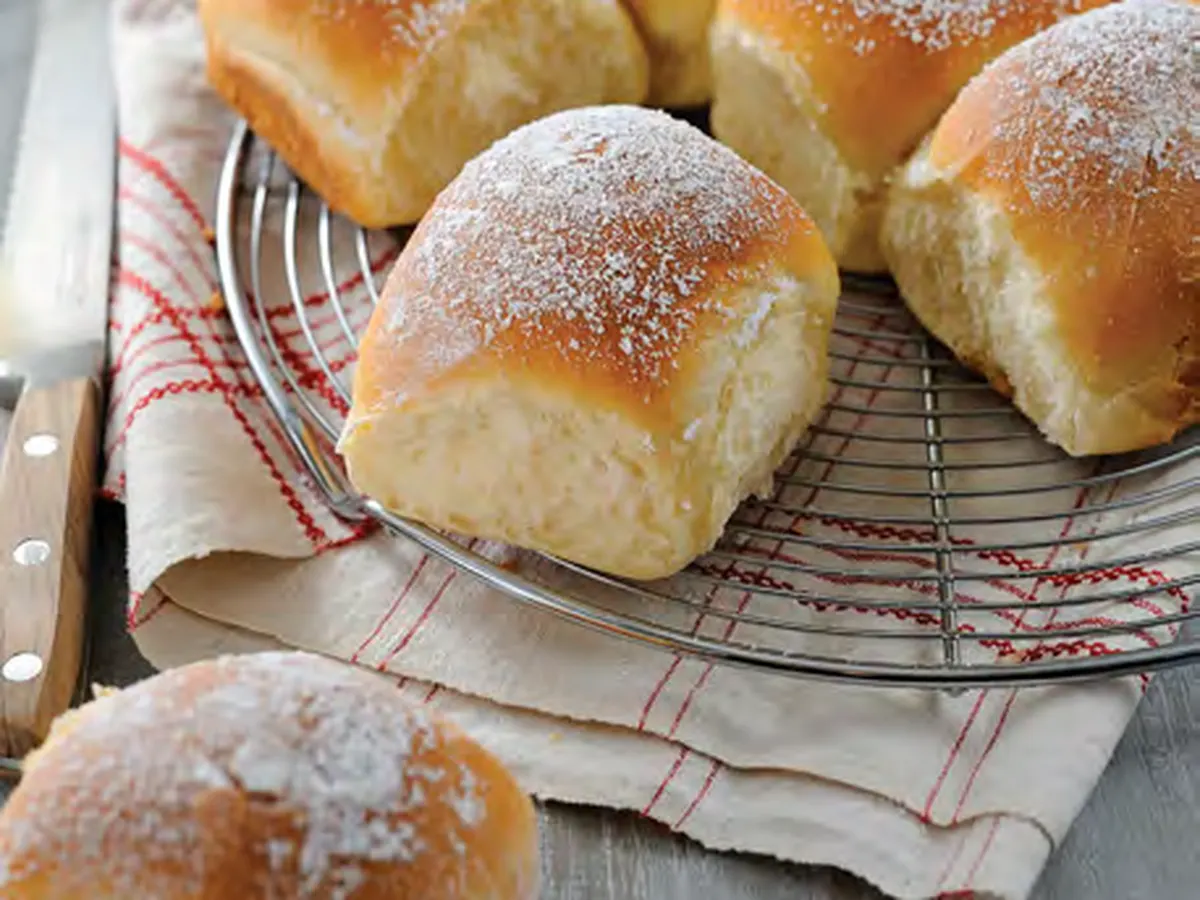
Soft Gluten-Free Brioche Tear Rolls
- Nut-free
-
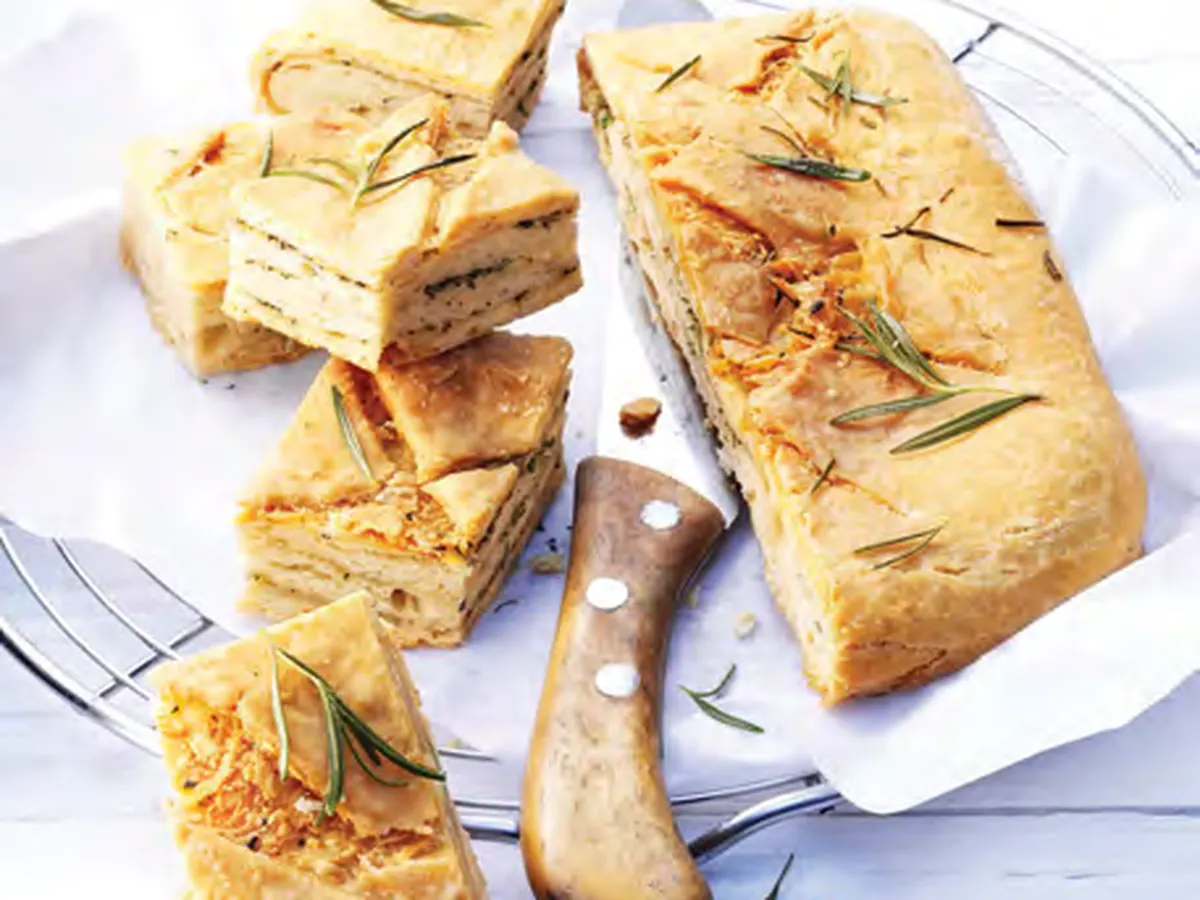
Three-Cheese and Rosemary Tear-and-Share Bread
- Egg-free
- Nut-free
-
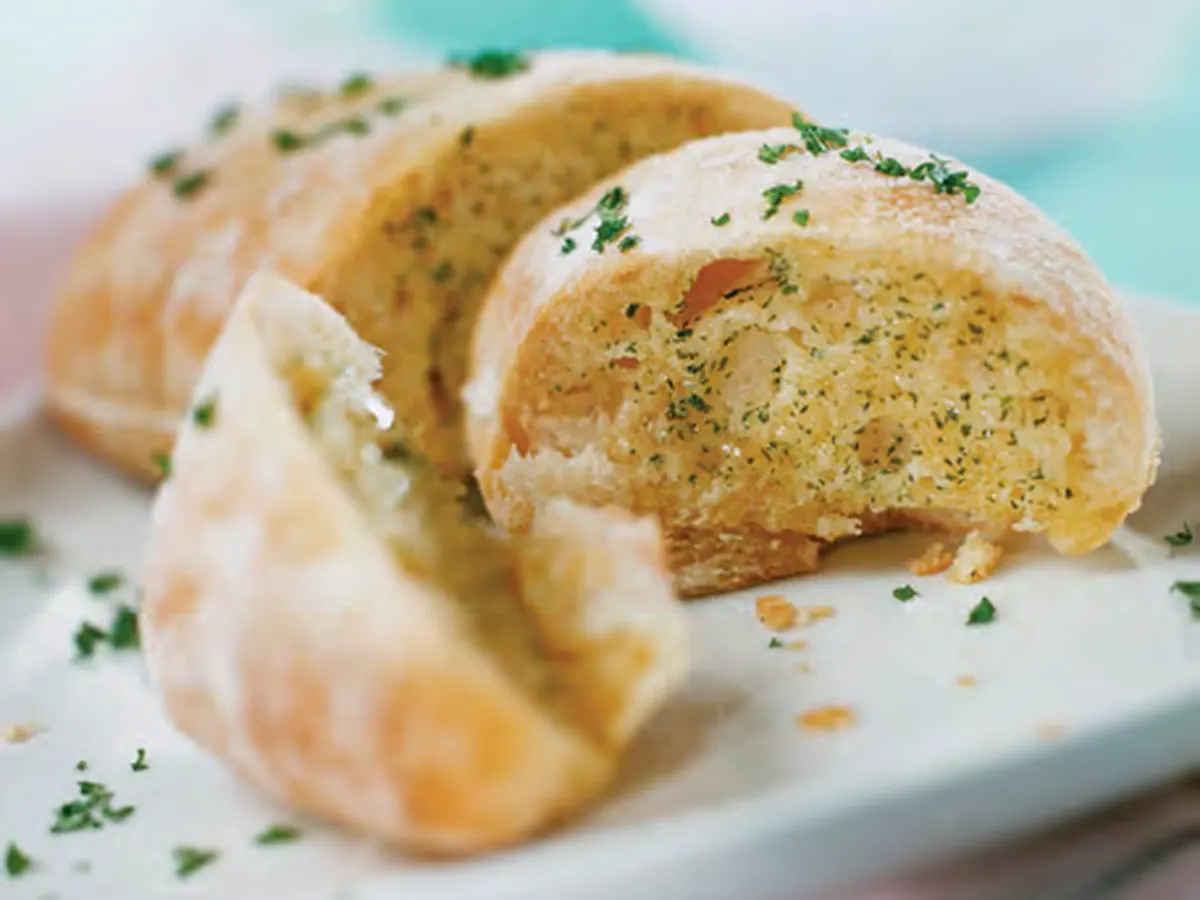
Gluten-Free Ciabatta Garlic Bread
- Egg-free
- Nut-free
-
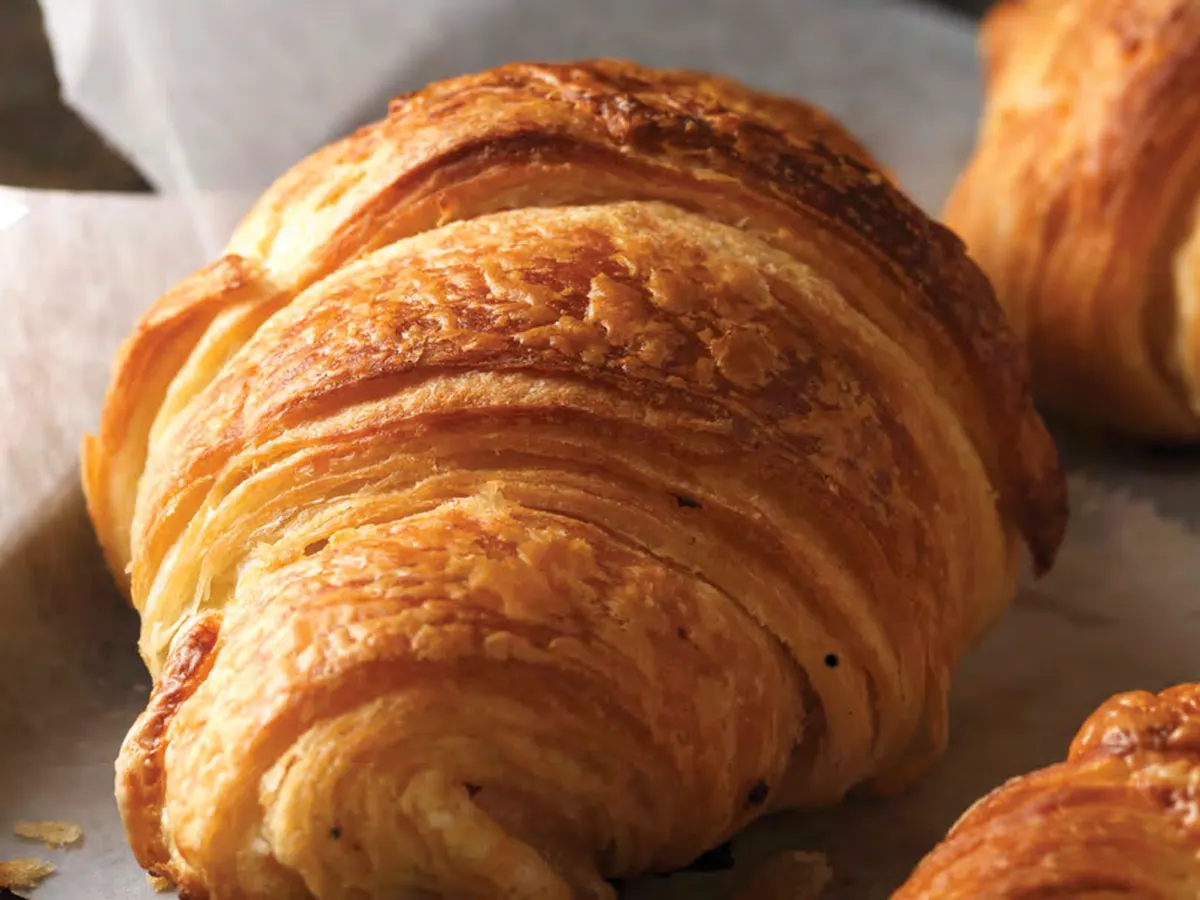
Gluten-Free Laminated Butter Croissants
- Sugar-free
- Nut-free
-
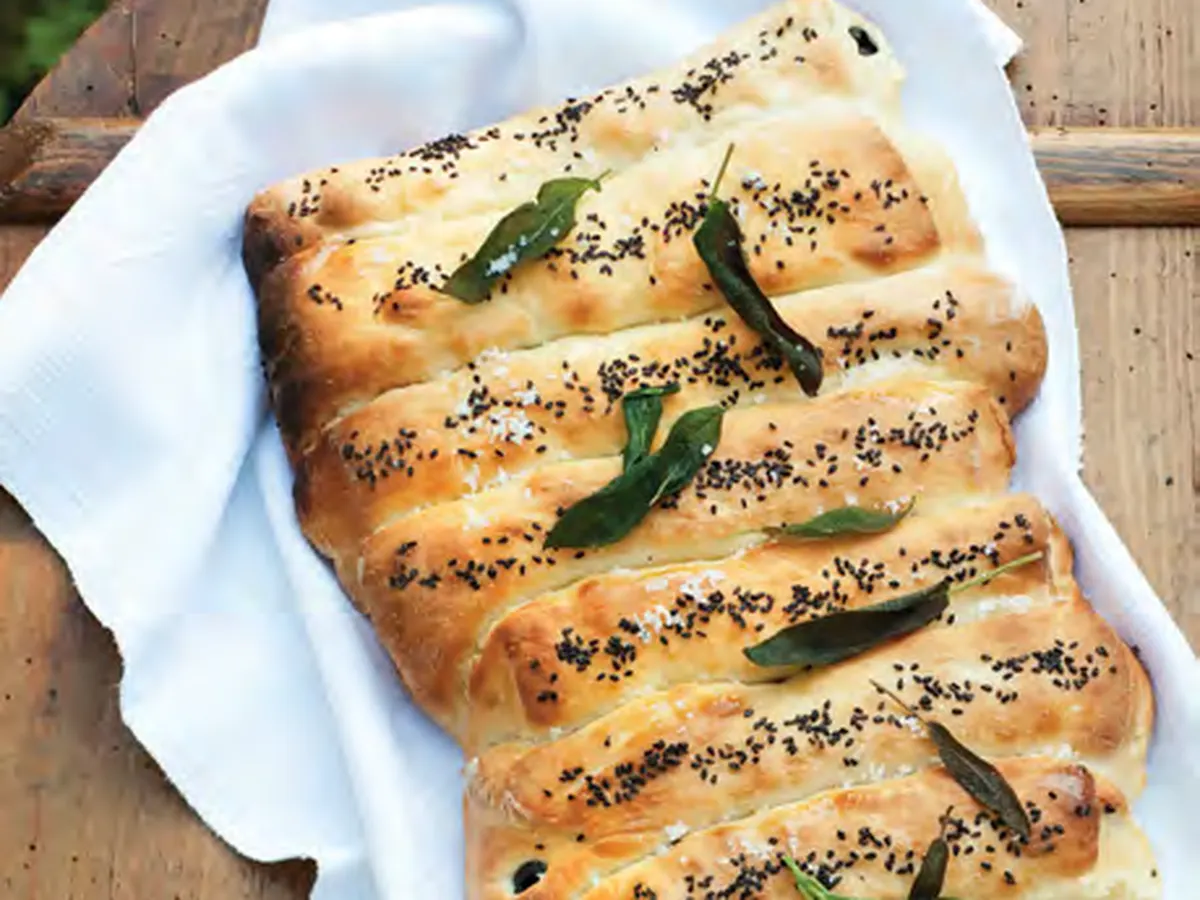
Olive and Poppy Seed Teff Bread
- Dairy-free
- Nut-free
-
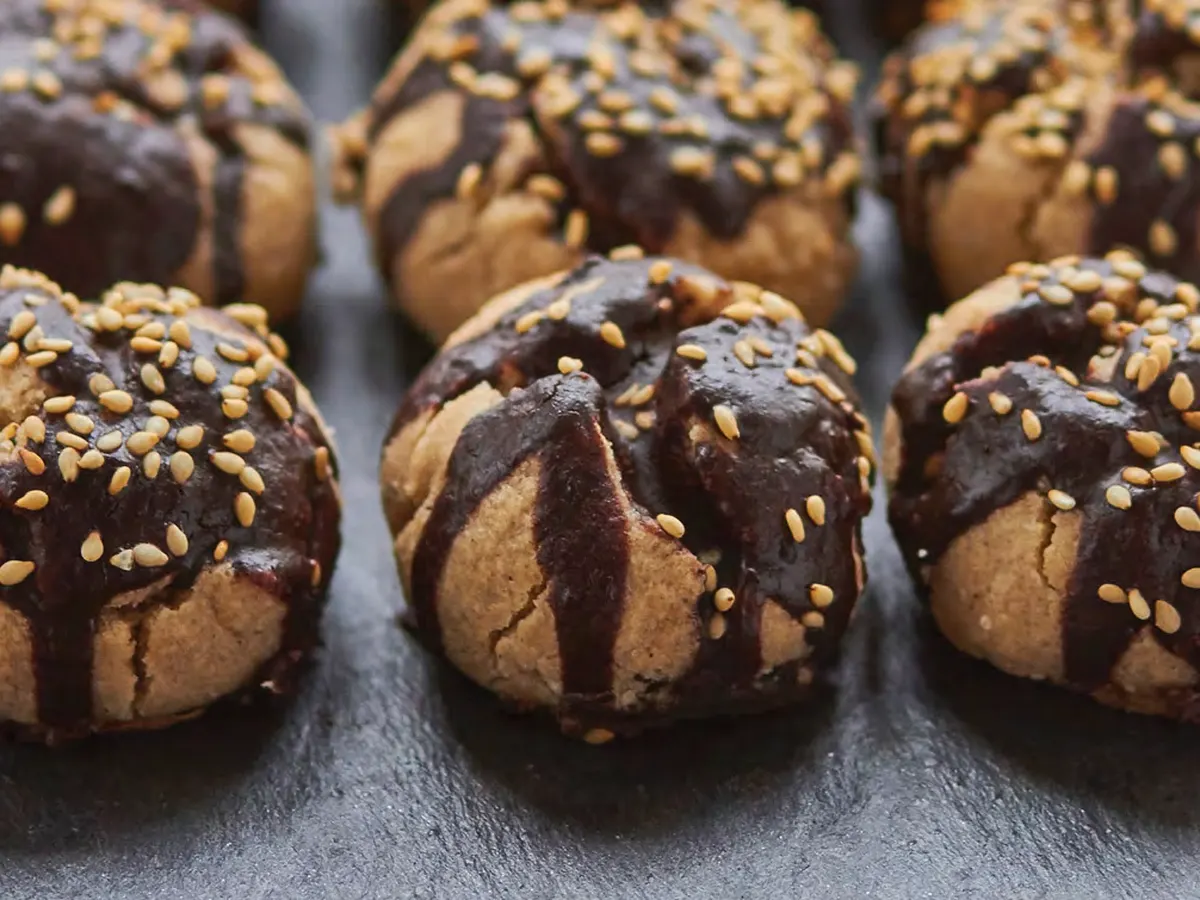
Polvorones: Spanish Pecan Shortbread with Cocoa Glaze
- Sugar-free
- Yeast-free
-
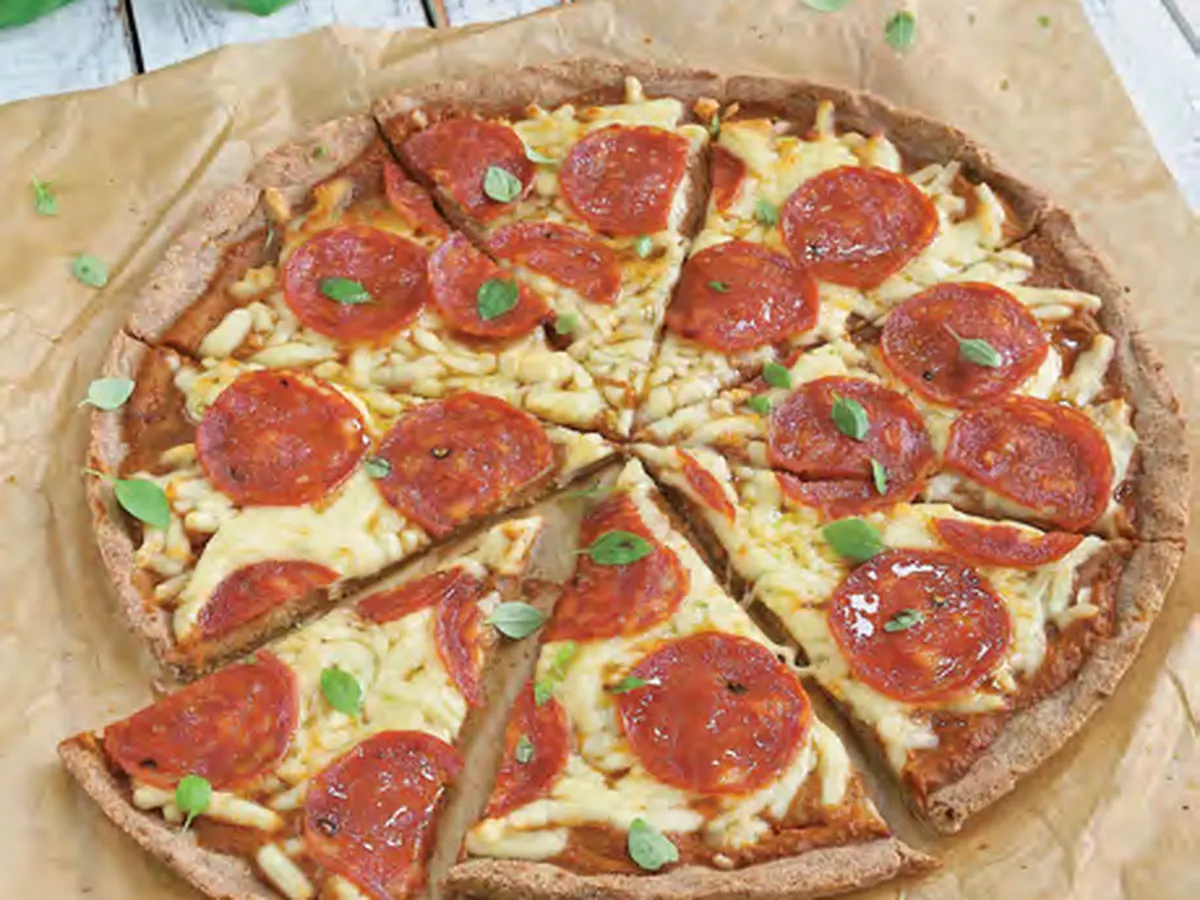
Low-Carb Almond Flour Pepperoni Pizza
- Sugar-free
- Yeast-free
-
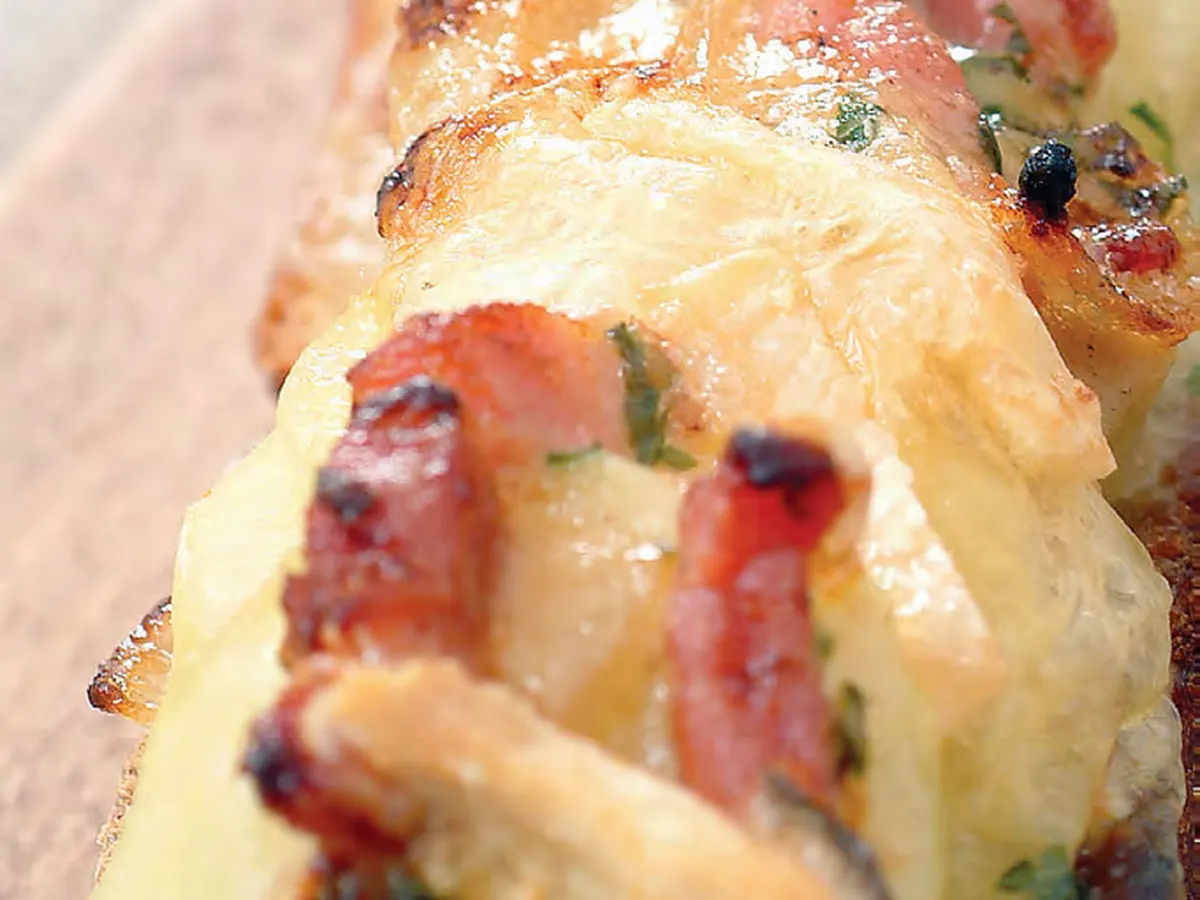
Tartiflette Open Sandwich on Teff Baguette
- Sugar-free
- Nut-free
-
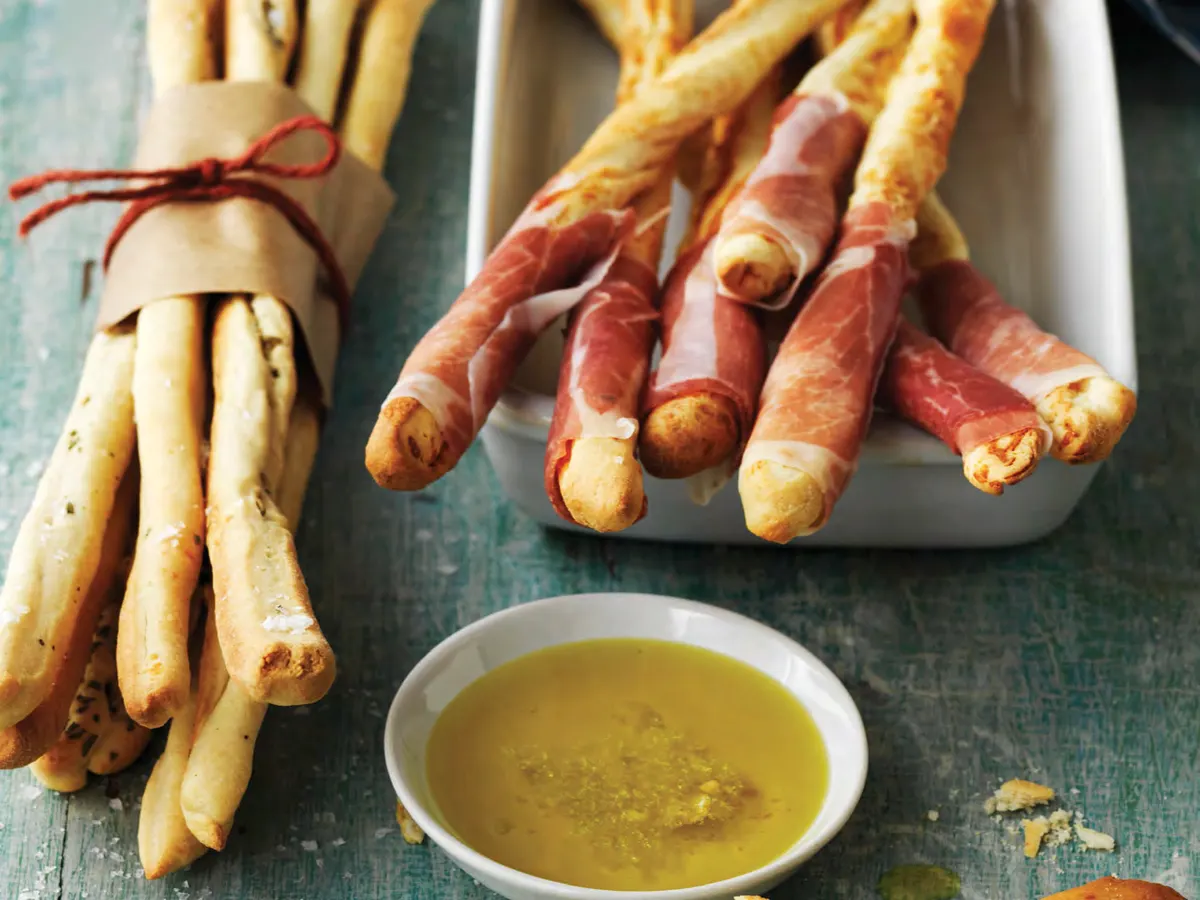
Cheesy Grissini with Parma Ham
- Sugar-free
- Nut-free
-
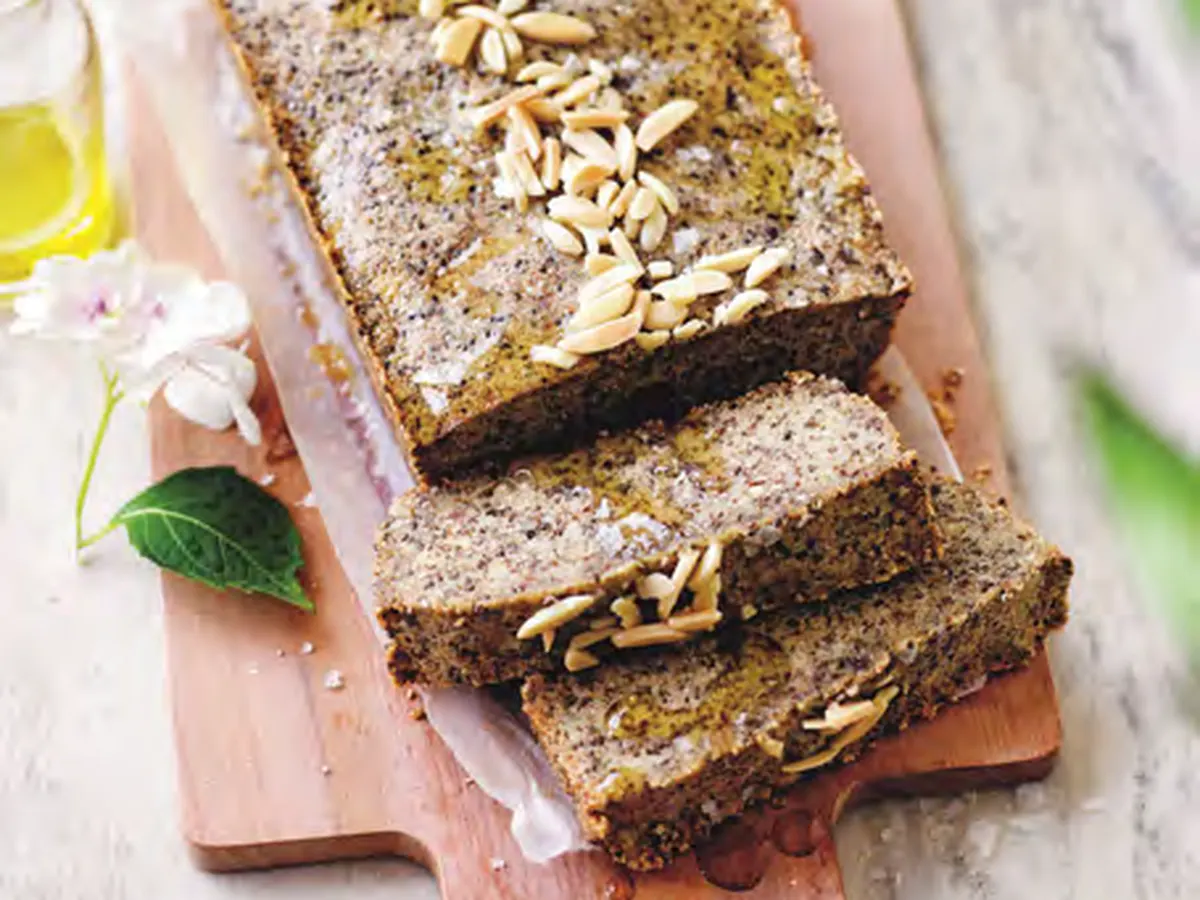
Polenta, Chia and Psyllium Seed Loaf
- Dairy-free
- Sugar-free
- Yeast-free
-

Raspberry Mousse Cakes with Chocolate Shards
- Sugar-free
- Yeast-free
-
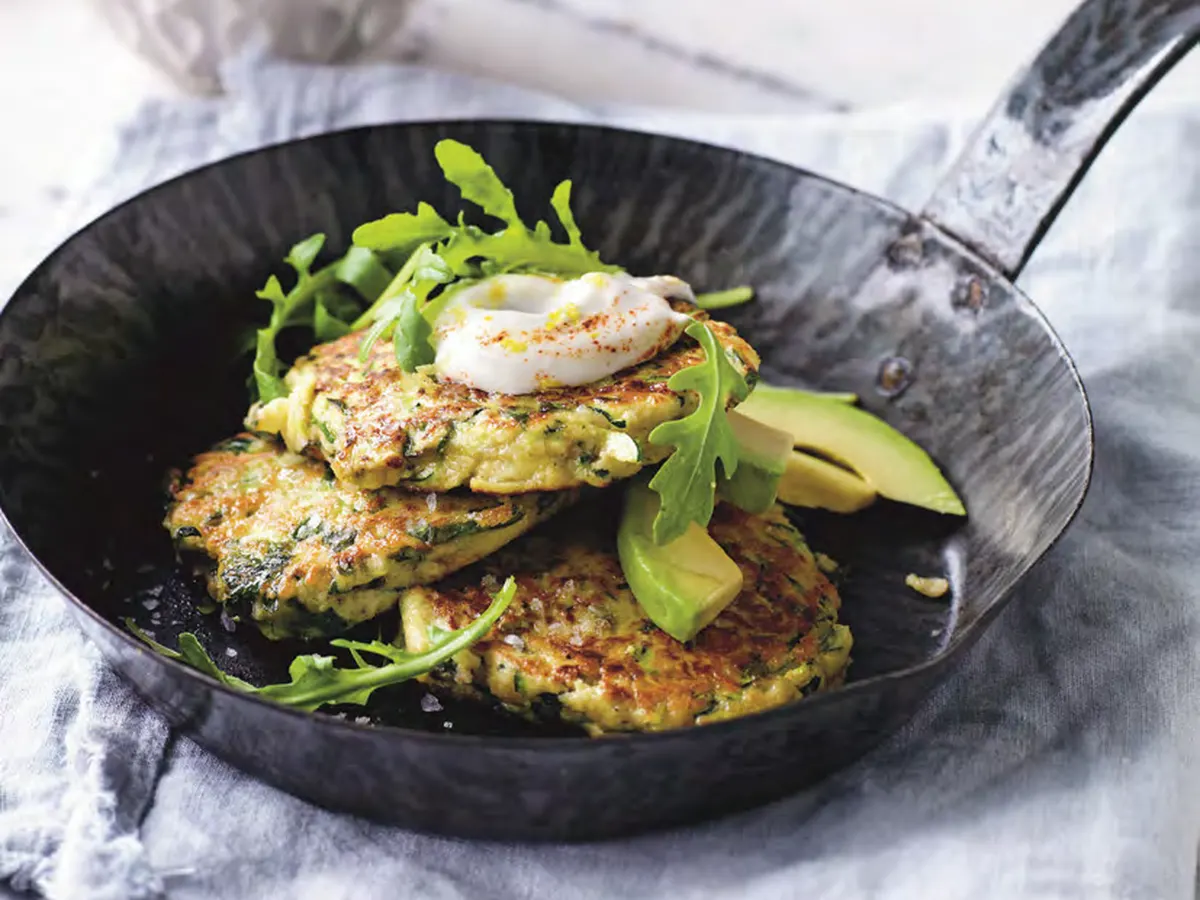
Courgette, Spinach and Basil Fritters with Lemon Coconut Yogurt
- Dairy-free
- Sugar-free
- Yeast-free
-
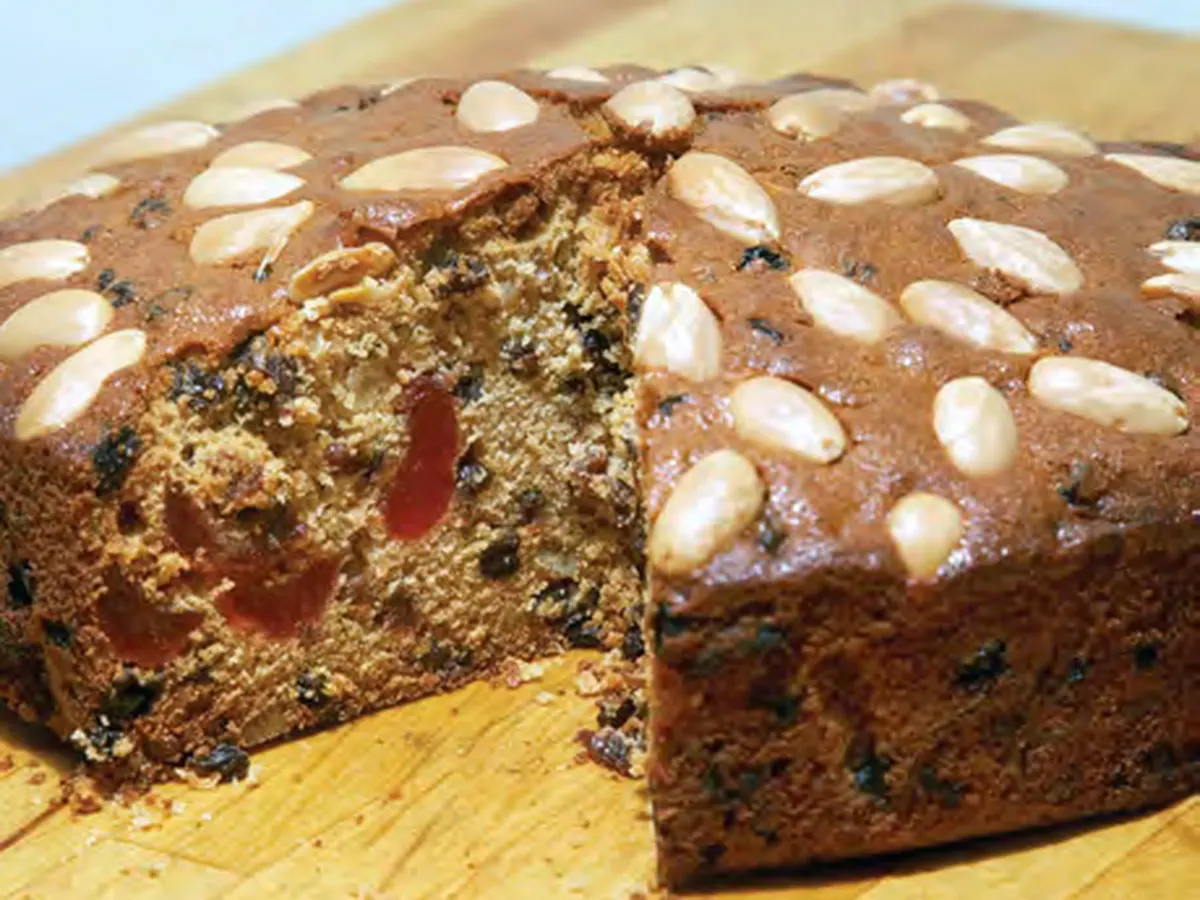
Gluten-Free Dundee Fruit Cake
- Sugar-free
- Yeast-free
-
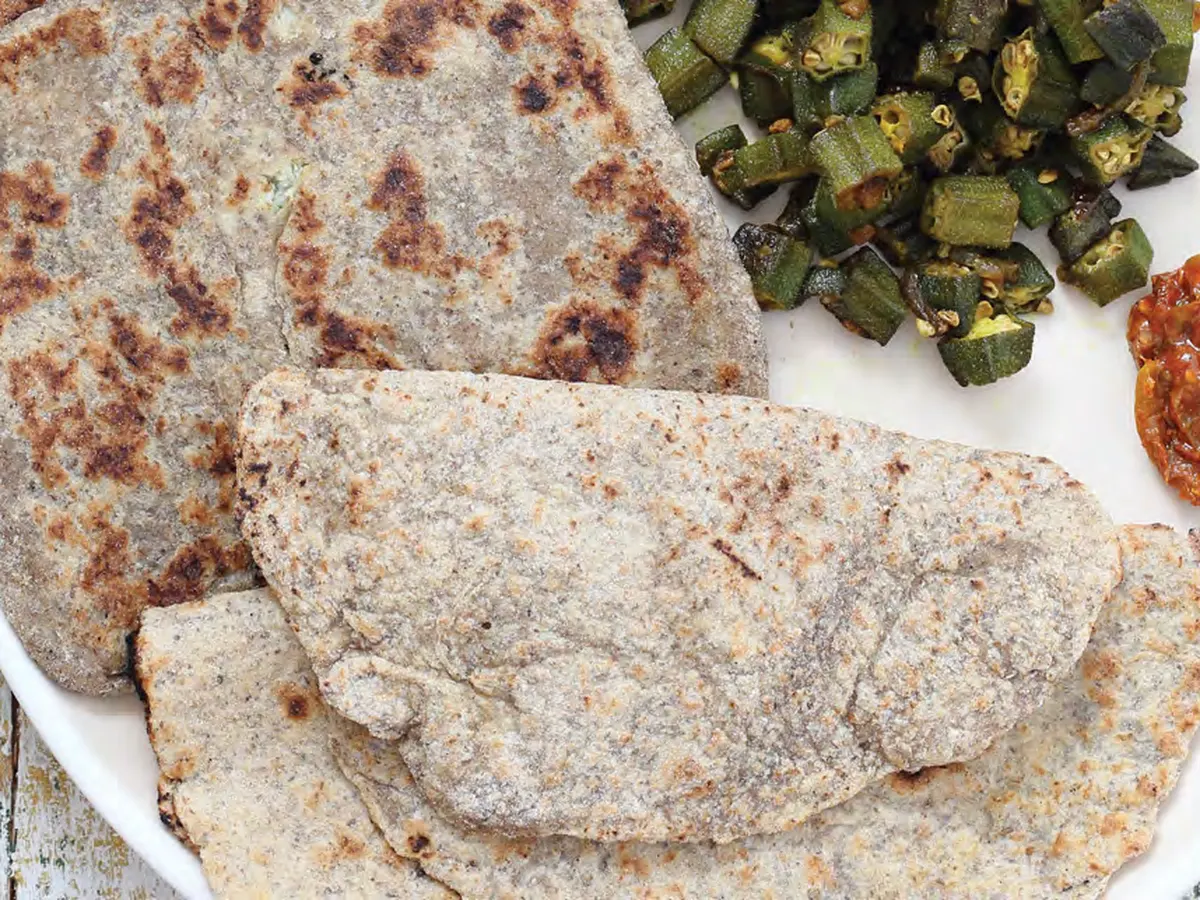
Vegan Chia and Psyllium Rotis
- Dairy-free
- Egg-free
- Sugar-free
-
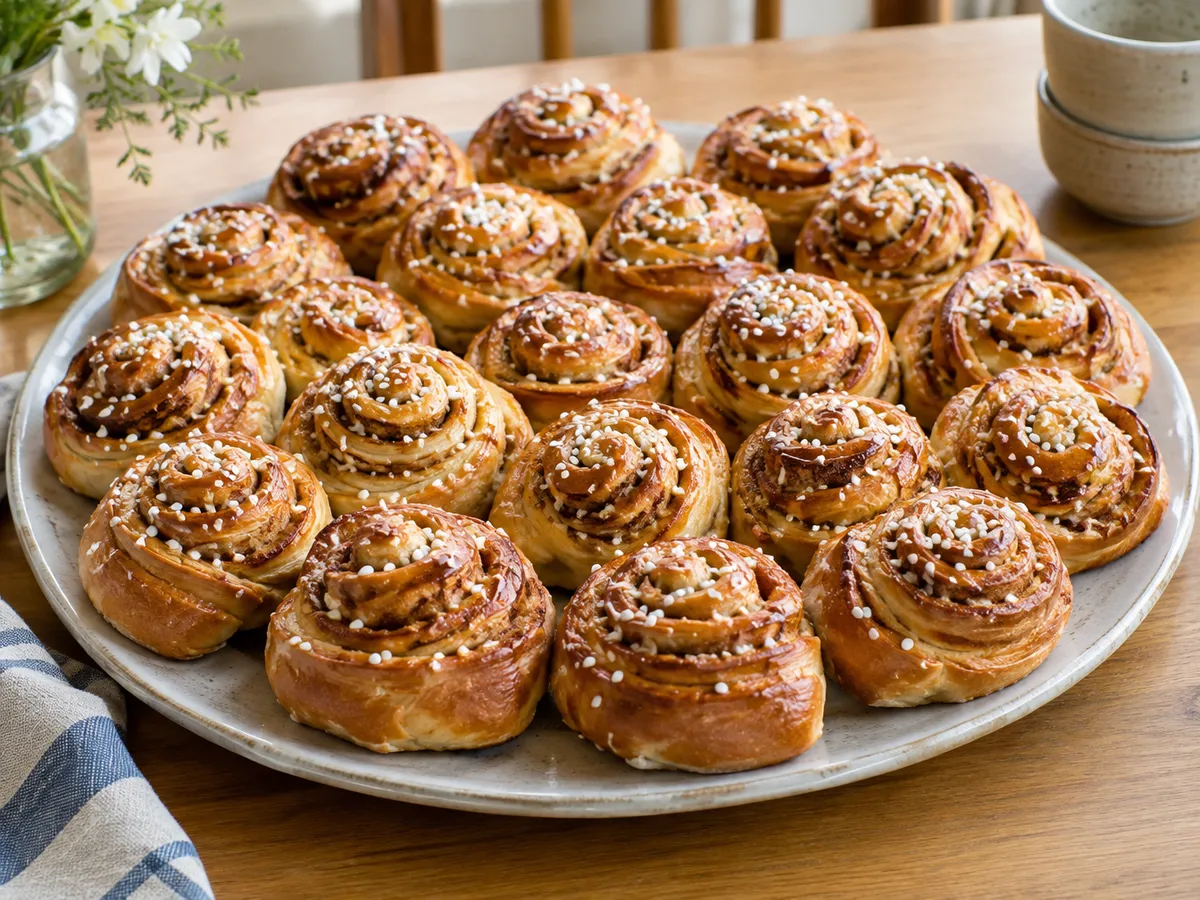
Swedish Cardamom Cinnamon Buns
- Sugar-free
- Nut-free
-
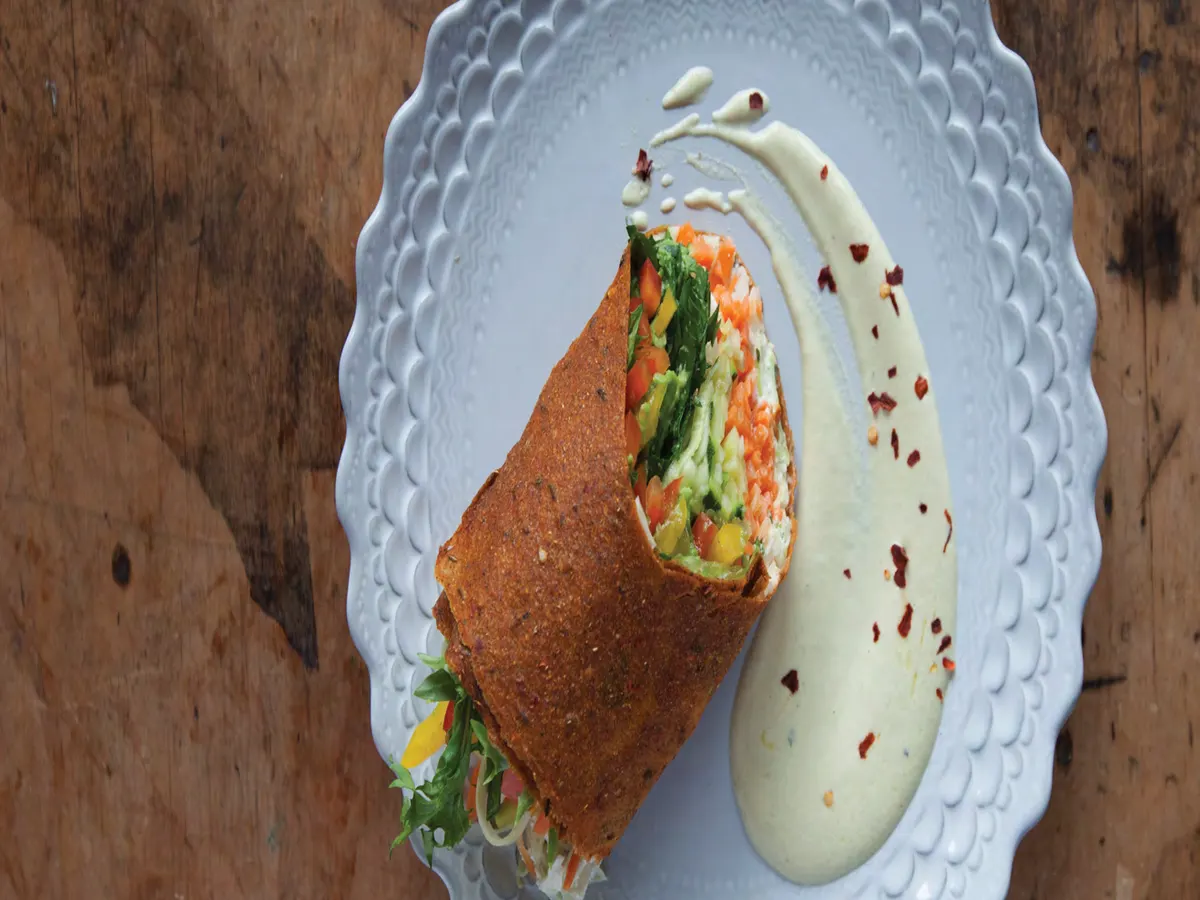
Raw Flaxseed and Vegetable Moroccan Wraps
- Dairy-free
- Egg-free
- Sugar-free
-
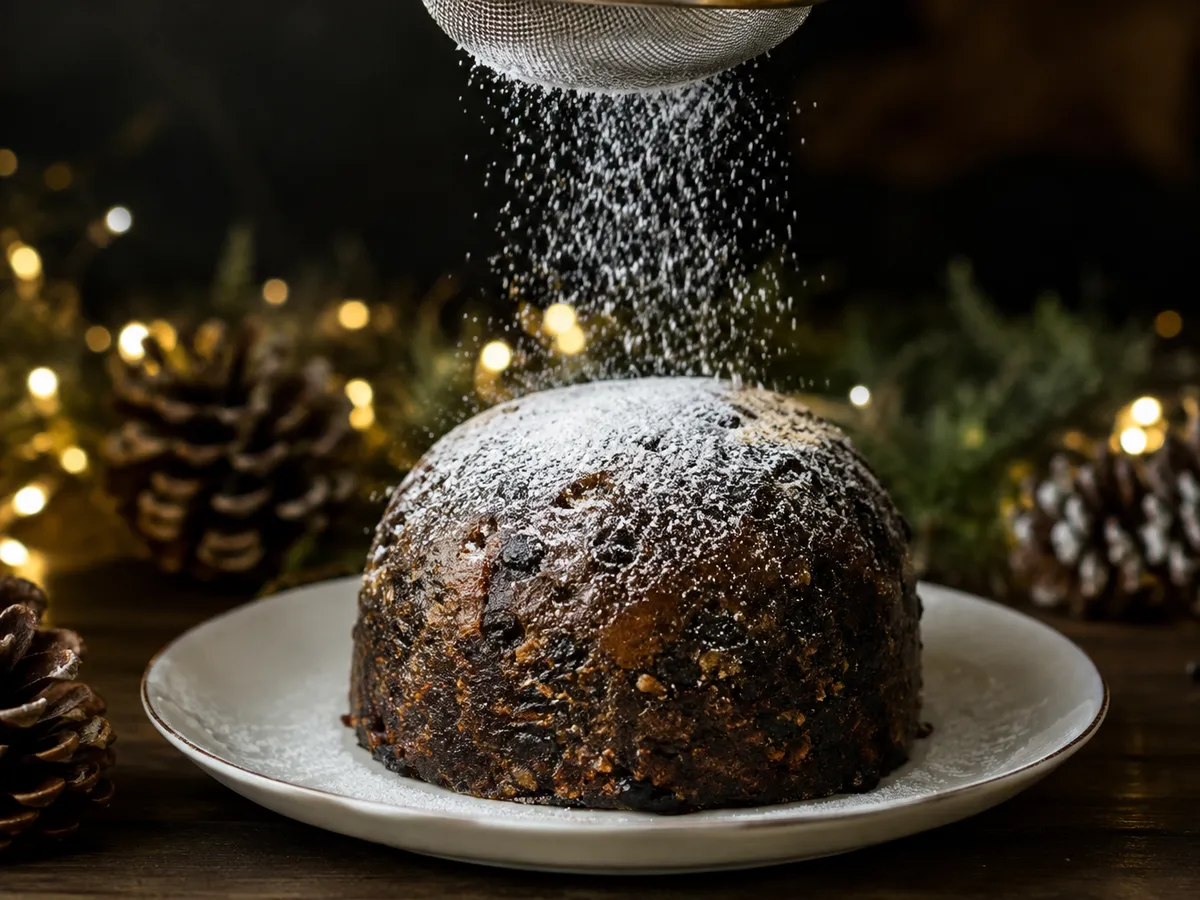
Pegan (Paleo-Vegan) Christmas Pudding
- Vegan
- Sugar-free
- Dairy-free
-
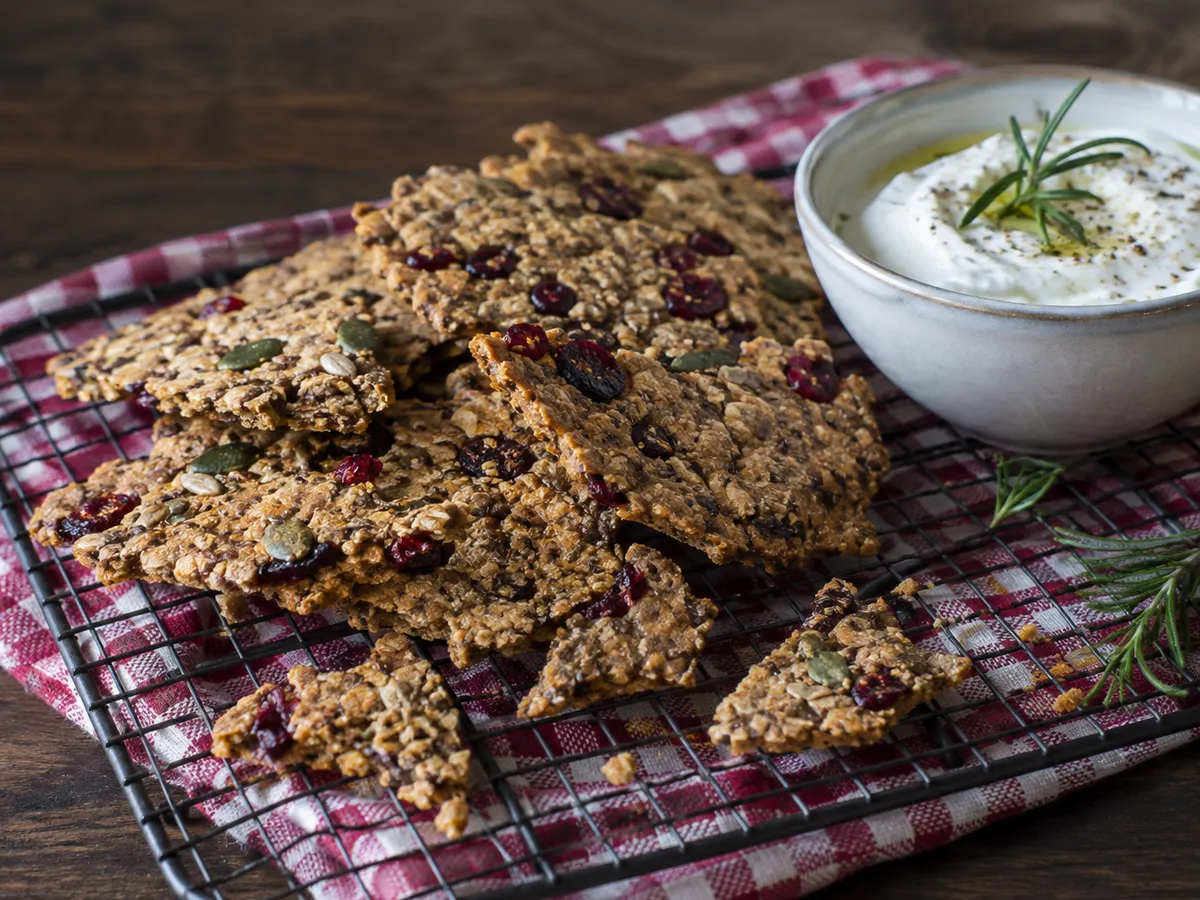
Cranberry Seed Crackers
- Vegan
- Sugar-free
- Dairy-free
-

Chia Sandwich Bread
- Sugar-free
- Dairy-free
- Yeast-free
-
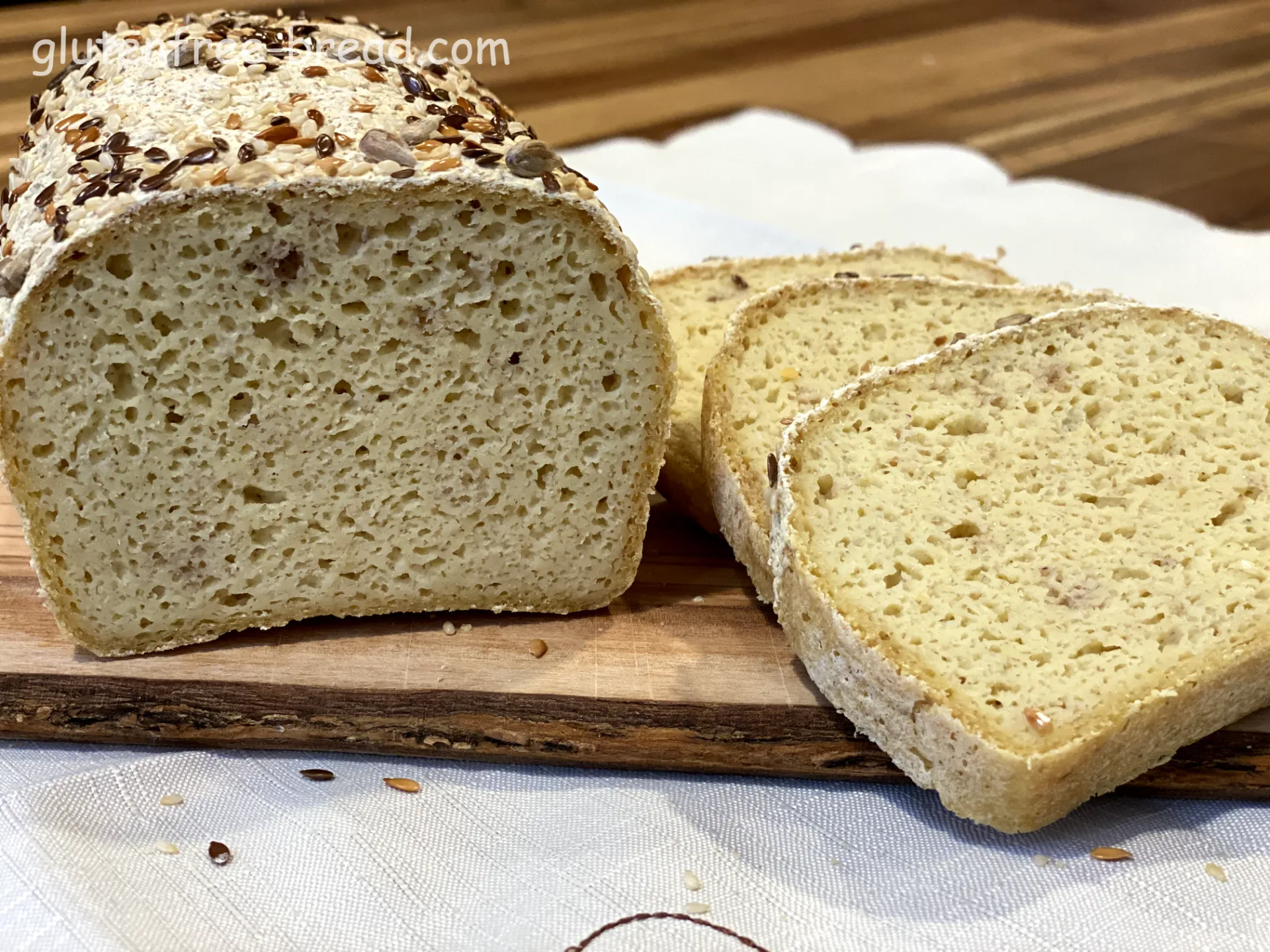
Millet Bread with Yeast
- Dairy-free
- Egg-free
- Vegan
-
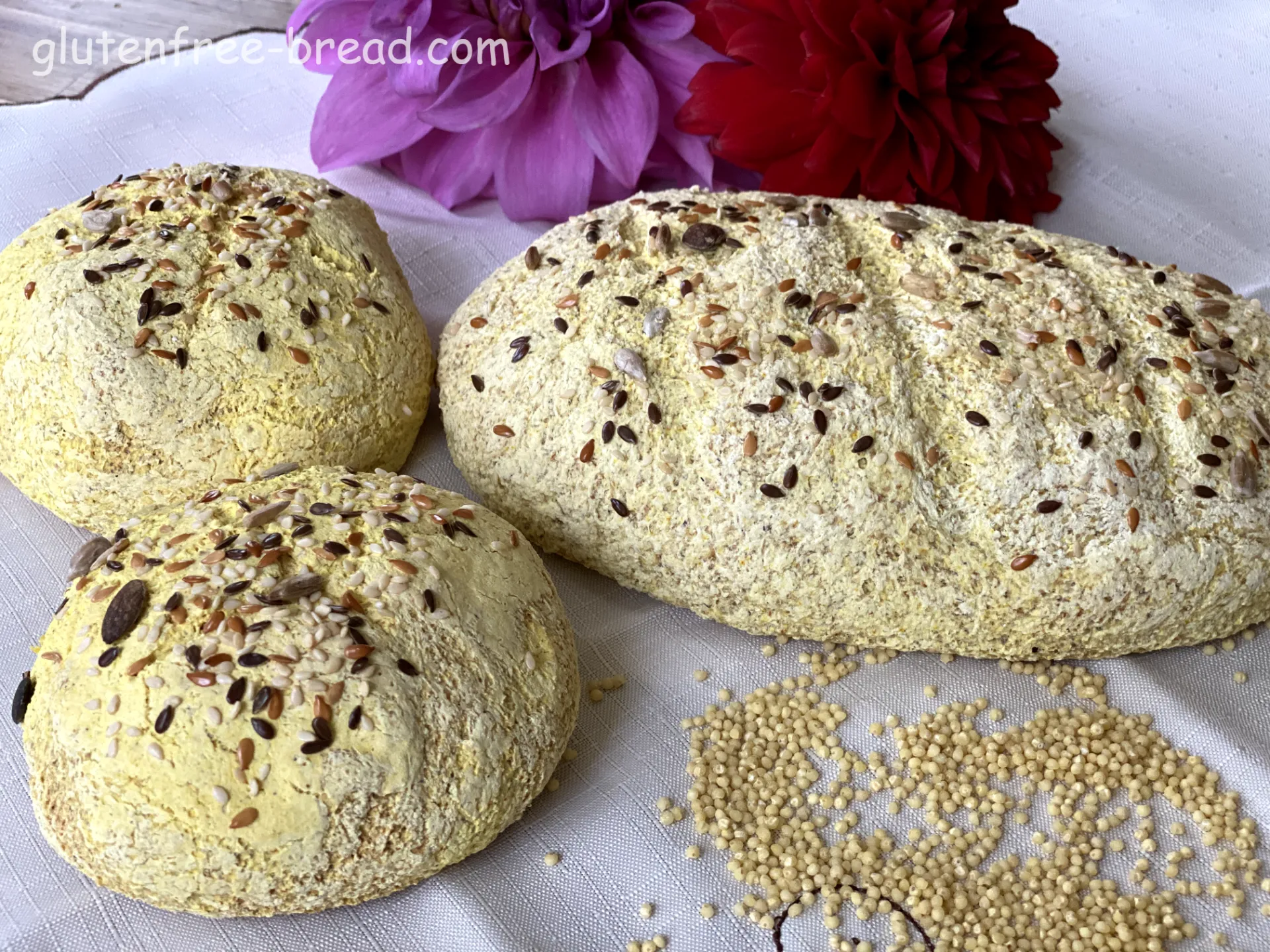
Millet Bread
- Sugar-free
- Dairy-free
- Yeast-free
-

Lentil Focaccia Bread
- Sugar-free
- Dairy-free
- Yeast-free
-

Lentil Flour Bread
- Sugar-free
- Dairy-free
- Yeast-free
-

Oat Flour Bread
- Sugar-free
- Yeast-free
- Nut-free
-

Almond Flour Cauliflower Bread
- Sugar-free
- Yeast-free
- Nut-free
-

Quinoa PsylliumHusk Egg Bread
- Sugar-free
- Dairy-free
- Oil-free
-

Golden Flaxseed Psyllium Husk Bread
- Sugar-free
- Dairy-free
- Oil-free
-

Quinoa PsylliumHusk Chiaseeds Bread
- Sugar-free
- Dairy-free
- Yeast-free
-

Almond Flour Bread in 1 Hour
- Sugar-free
- Dairy-free
- Yeast-free
-

Red Lentil Bread Rolls
- Sugar-free
- Egg-free
- Dairy-free
-

Buckwheat Millet Oat Bread
- Sugar-free
- Egg-free
- Dairy-free